














Places to visit in Rajasthan
These are the places Rajasthan trips are built from. Each trip page lists exactly which of them it covers, and a private trip can swap one for another.
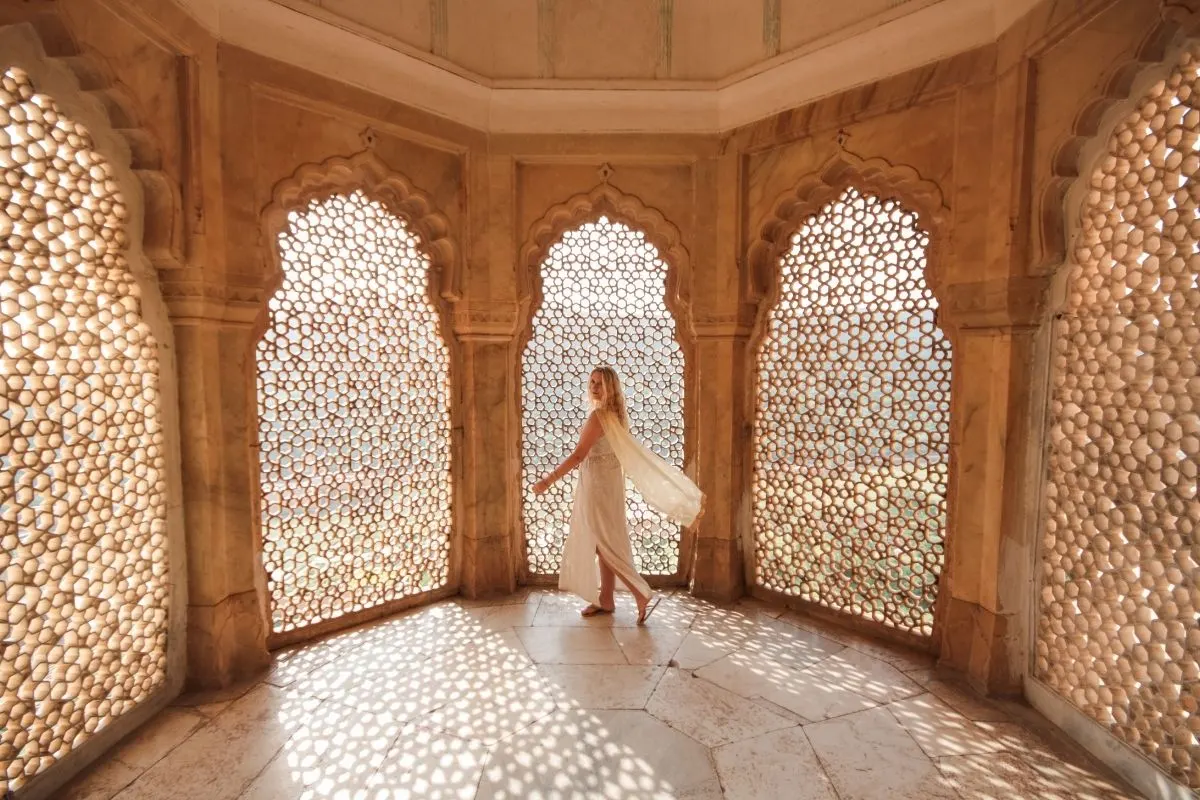
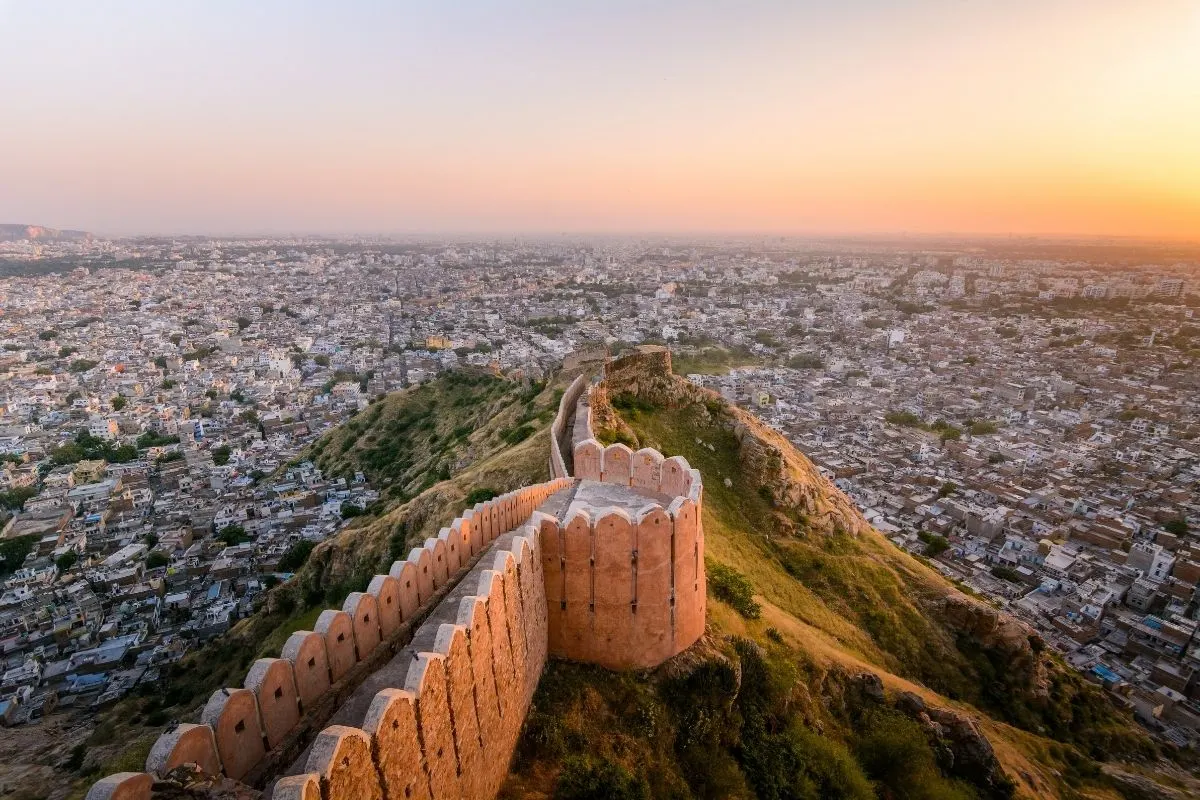
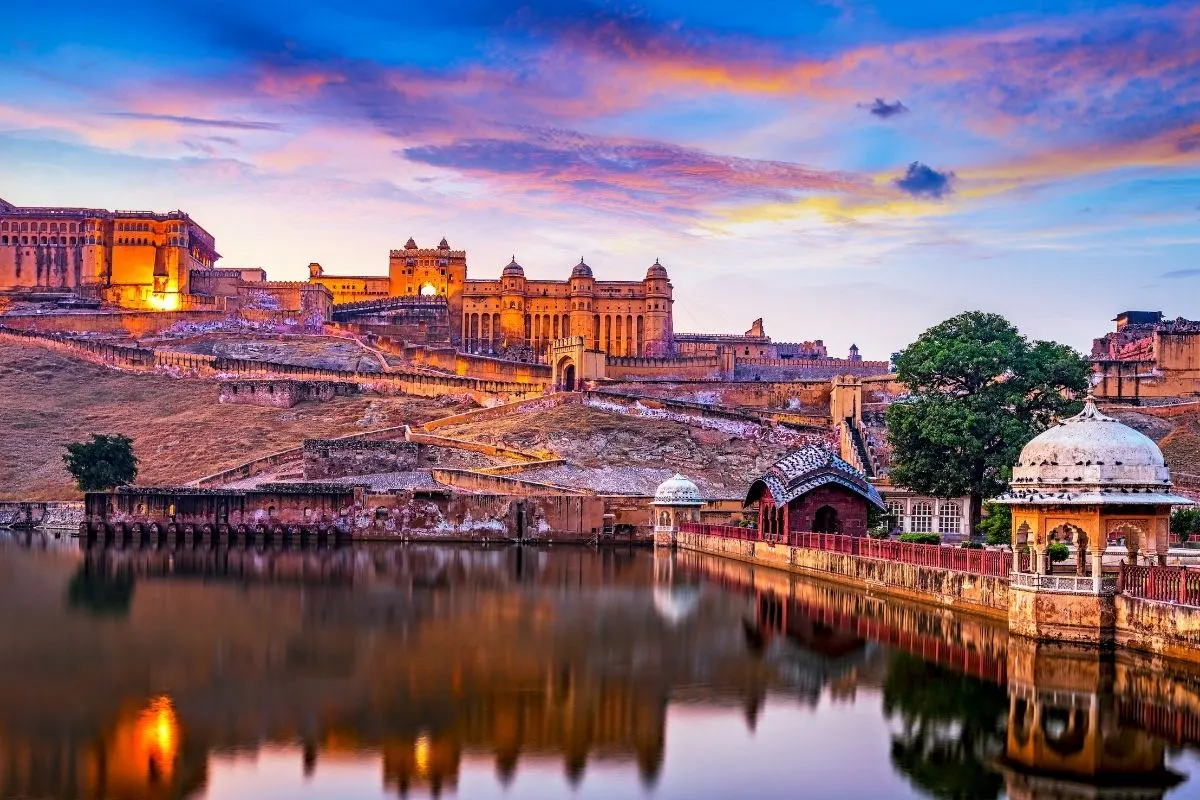
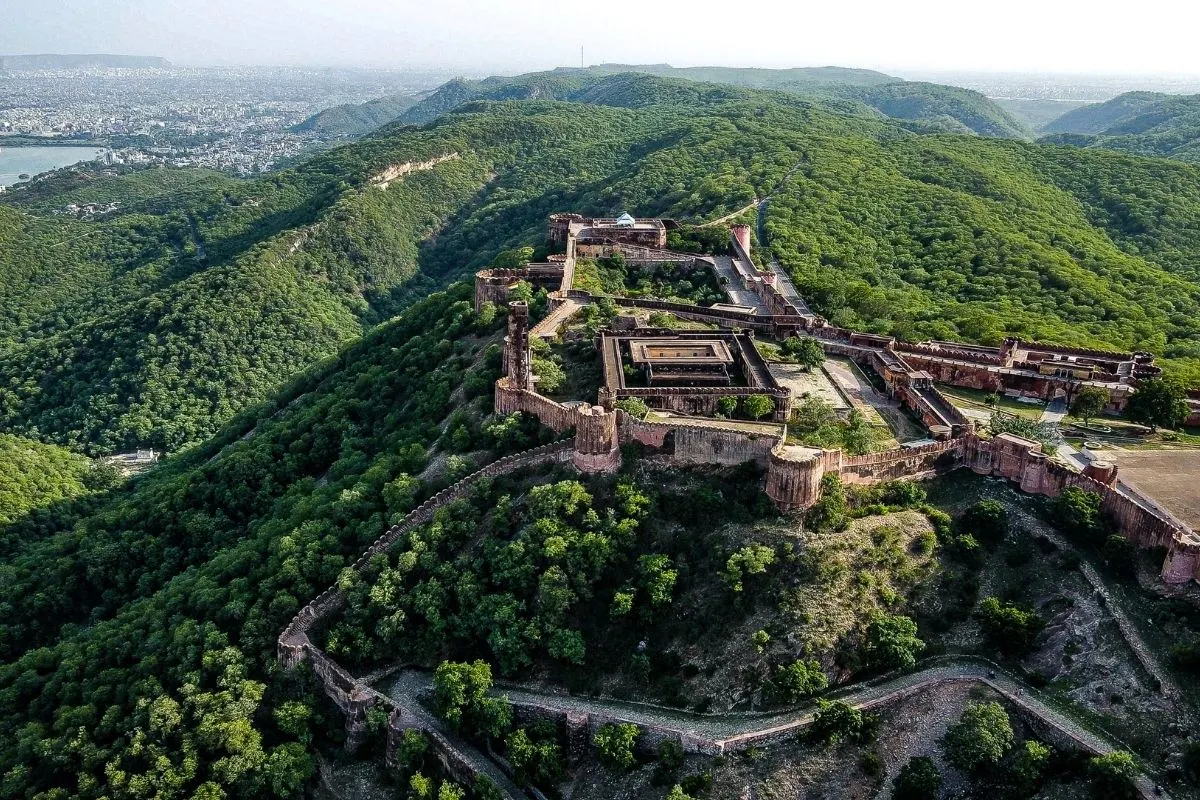
- Amber Fort, Jaigarh and Nahargarh, Jaipur: The hilltop fort-palace above Jaipur with its mirrored Sheesh Mahal, and the two forts on the ridge above it, Jaigarh with the giant Jaivana cannon and Nahargarh with the view over the city; a full day on most trips.
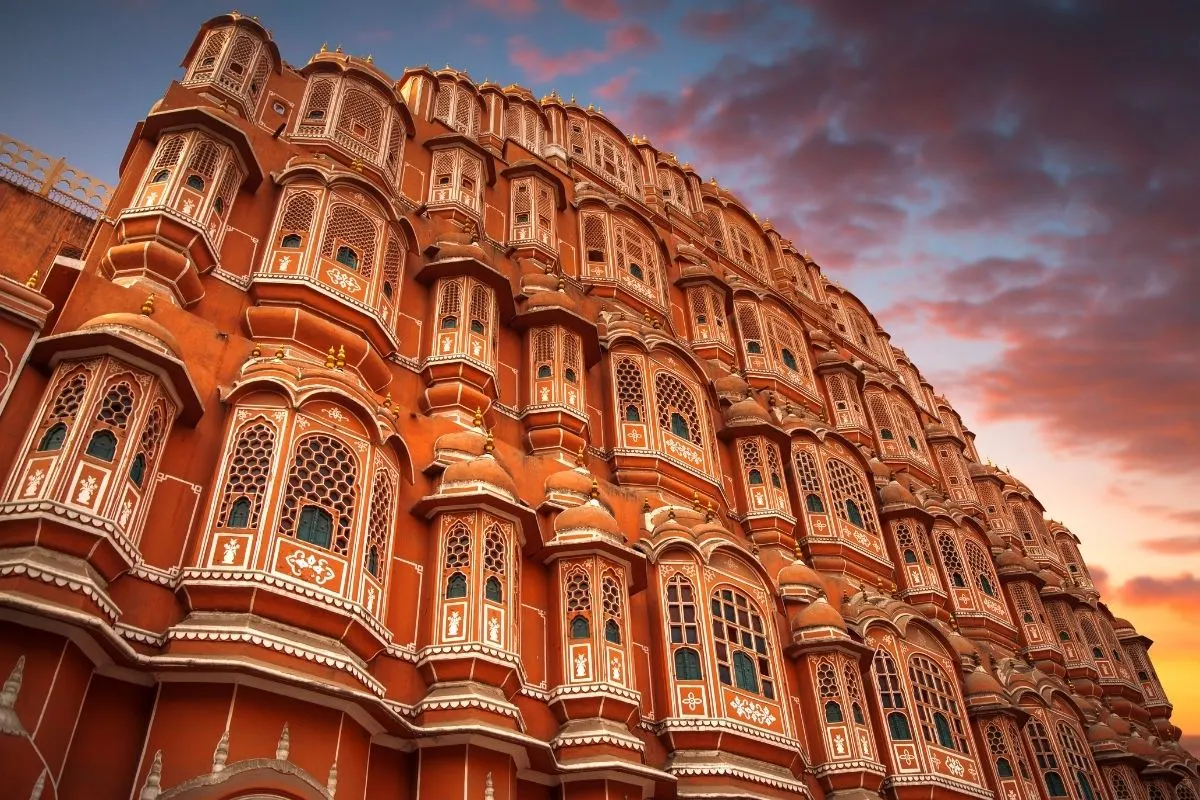
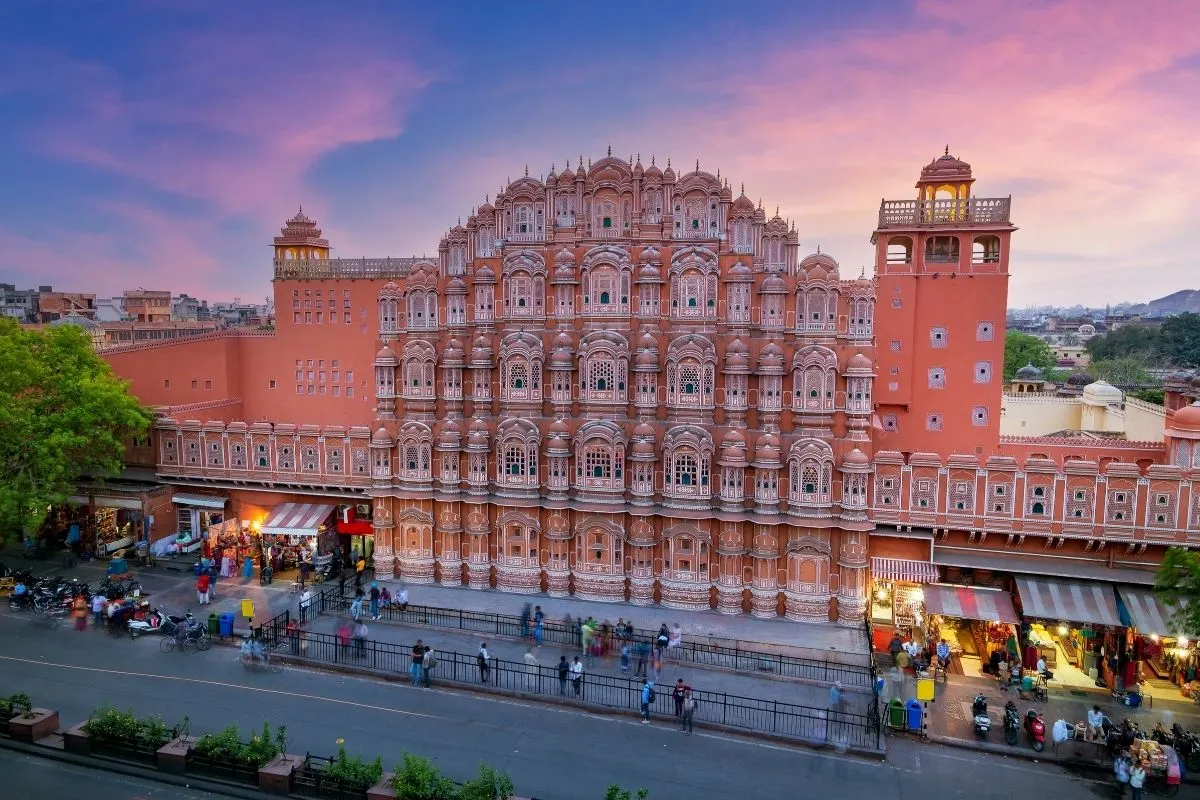
- Hawa Mahal, City Palace and Jantar Mantar, Jaipur: The pink honeycomb front of the Palace of Winds, the palace where the royal family still lives, and the stone observatory with the giant sundial, all within a walk of each other in the old city, with Jal Mahal in Man Sagar lake on the Amber road.
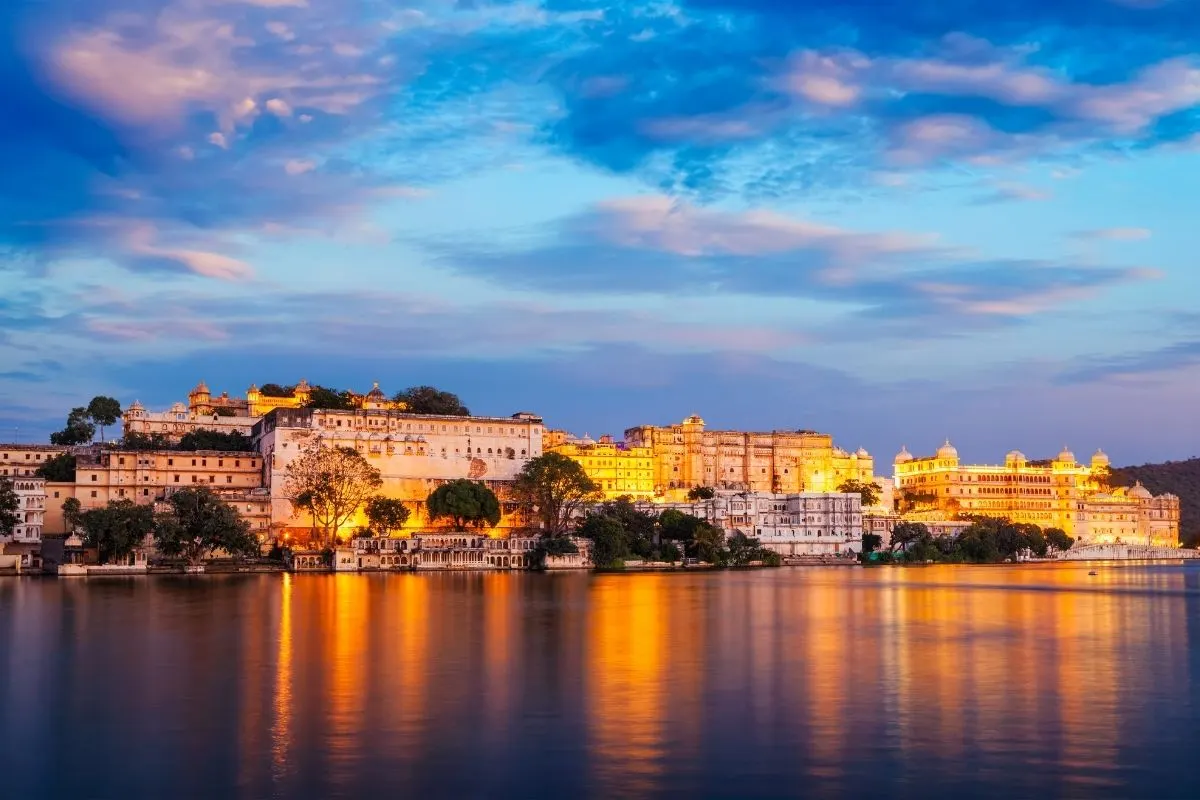
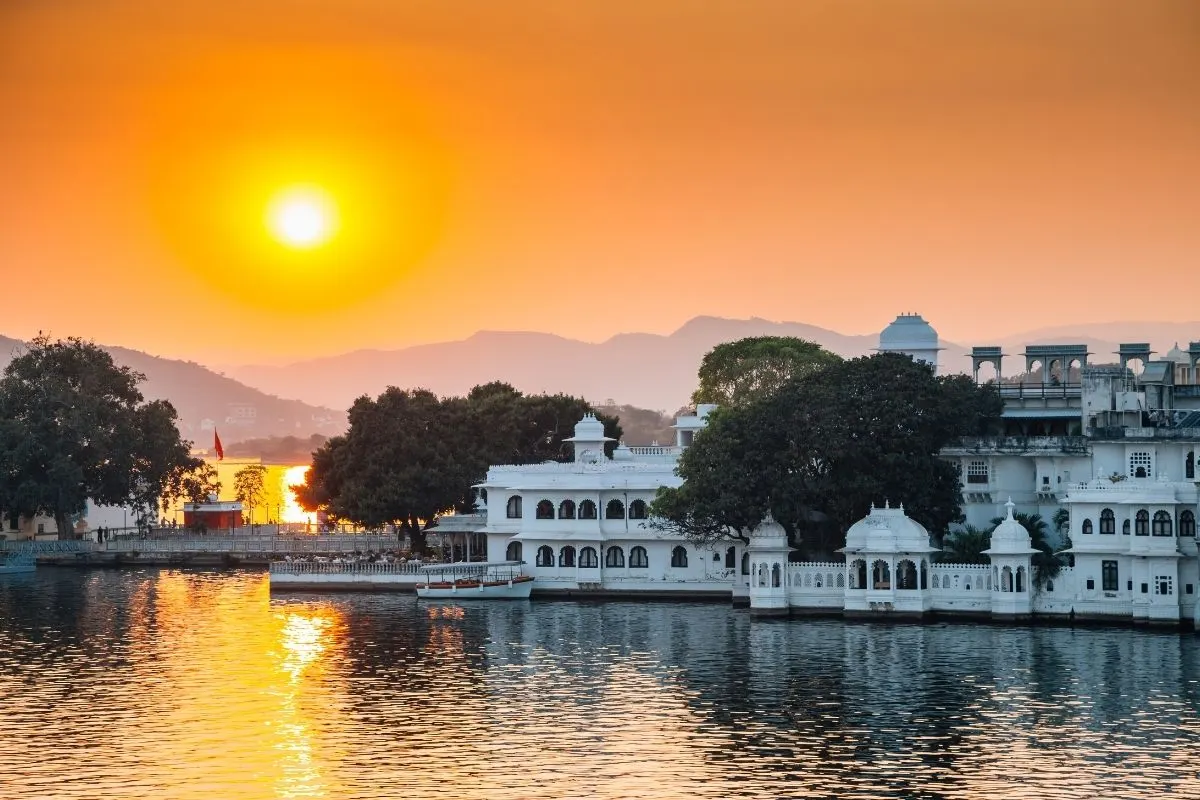
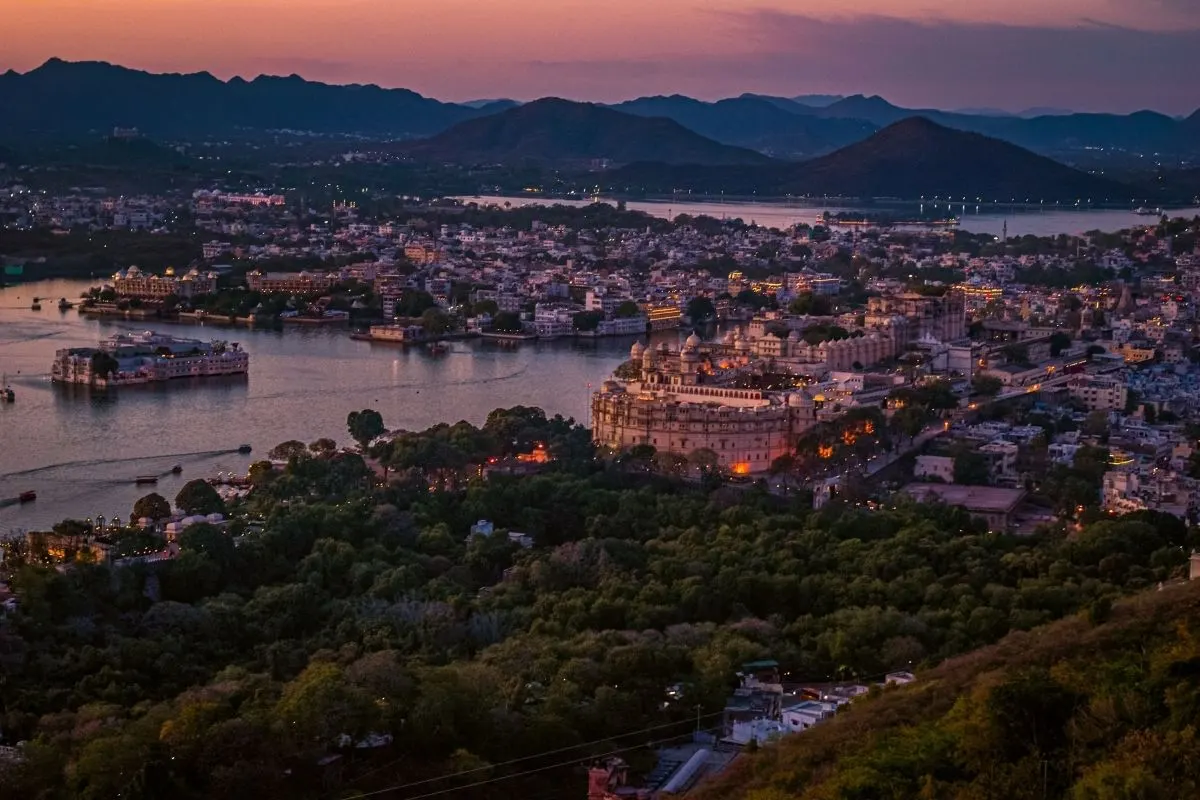
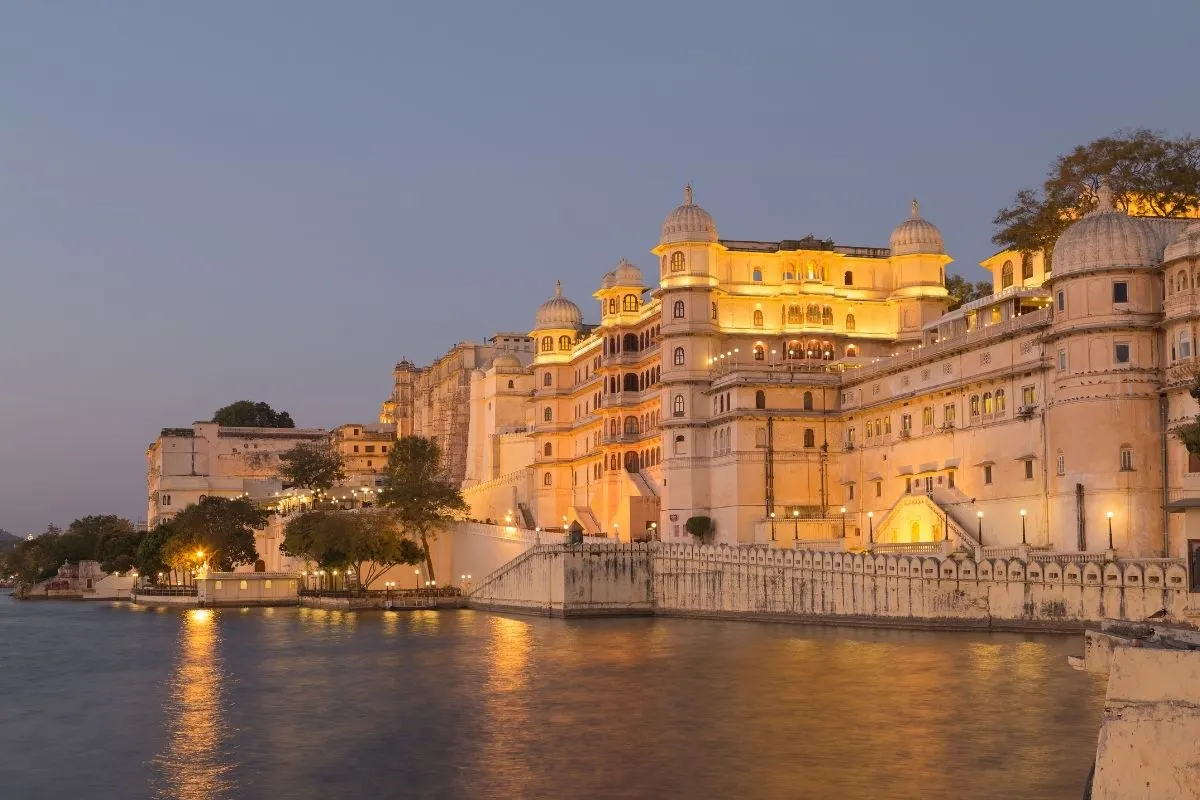
- Udaipur: City Palace and Lake Pichola: The palace complex on the lake shore, a boat out to Jag Mandir, Saheliyon Ki Bari's fountain garden, Fateh Sagar lake and the Sajjangarh Monsoon Palace on its hill for the sunset.
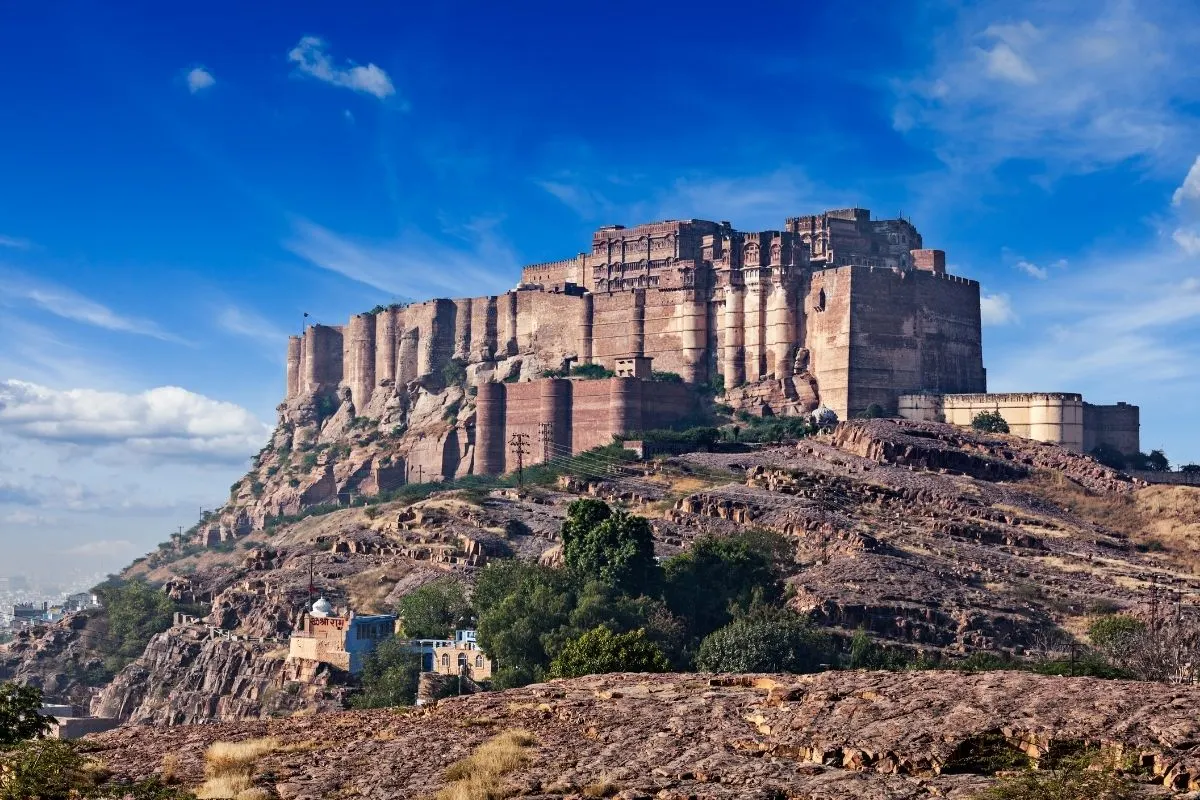
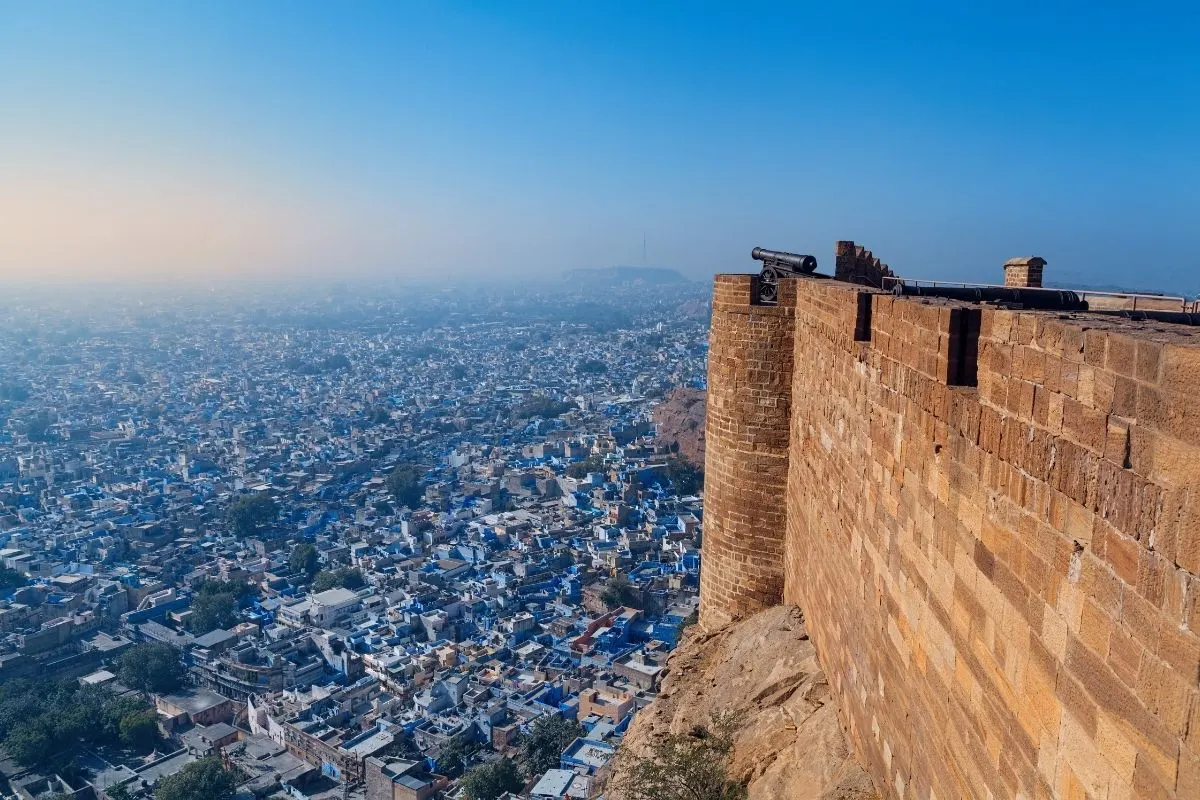
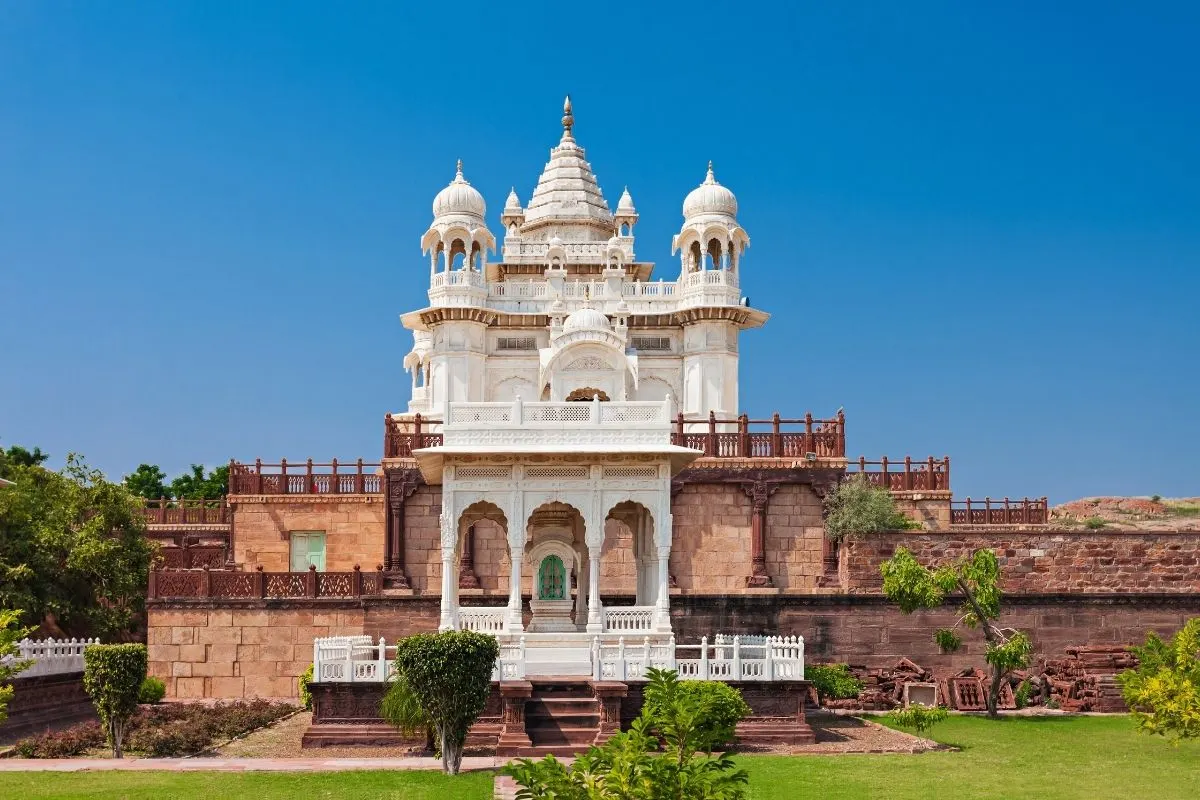
- Mehrangarh Fort, Jodhpur: The fort on a rock above the blue houses of the old city, with Moti Mahal and Phool Mahal inside, the marble cenotaph of Jaswant Thada below it and Umaid Bhawan Palace across town.
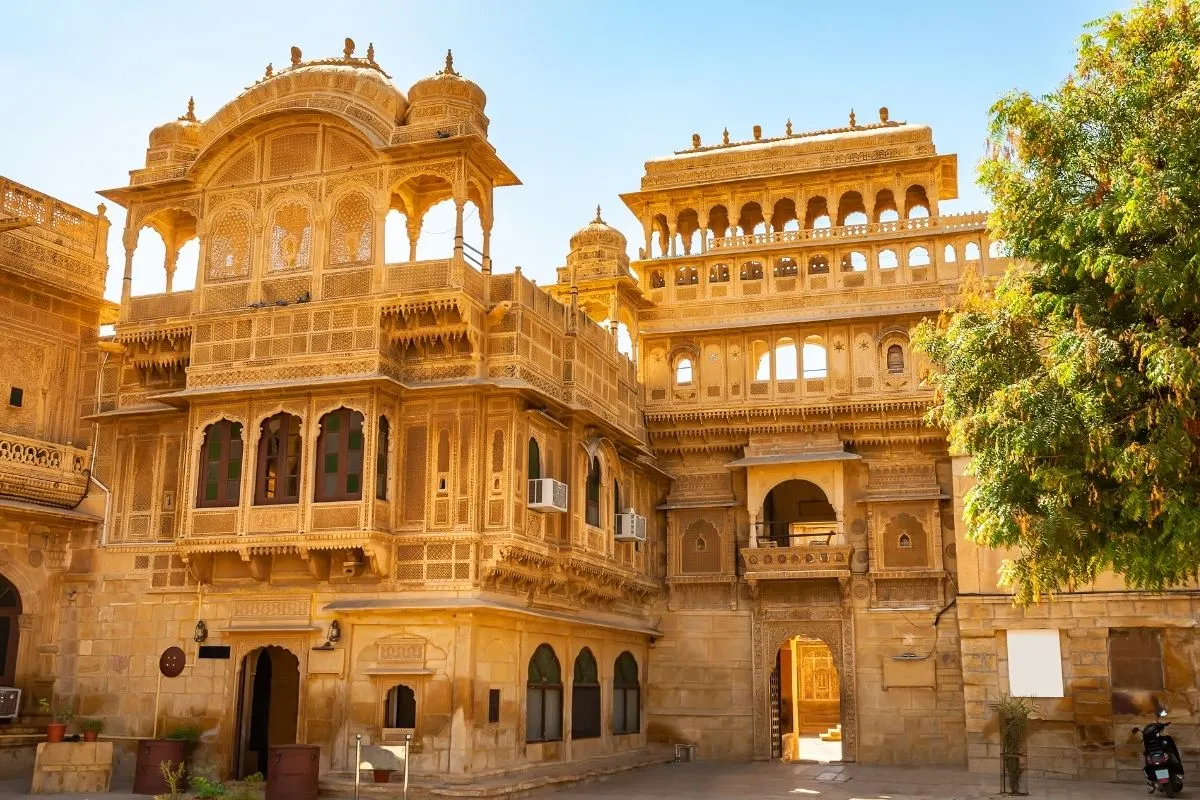
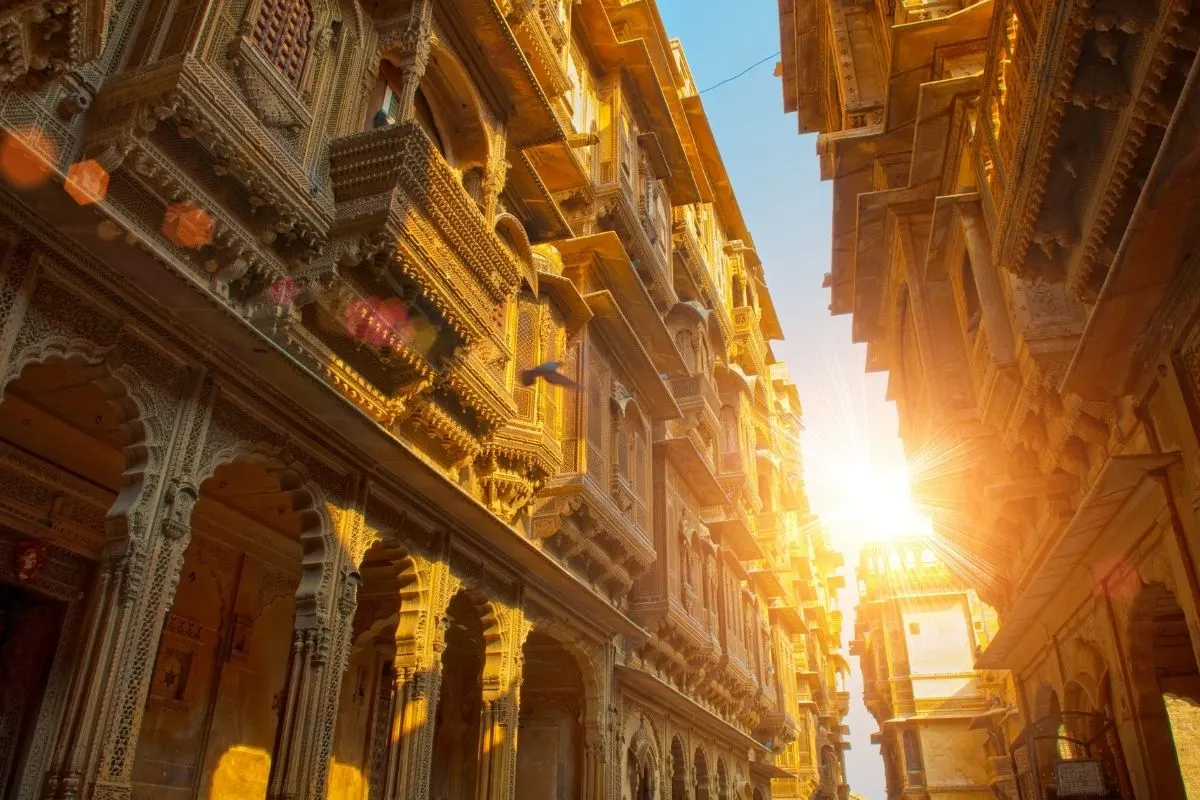
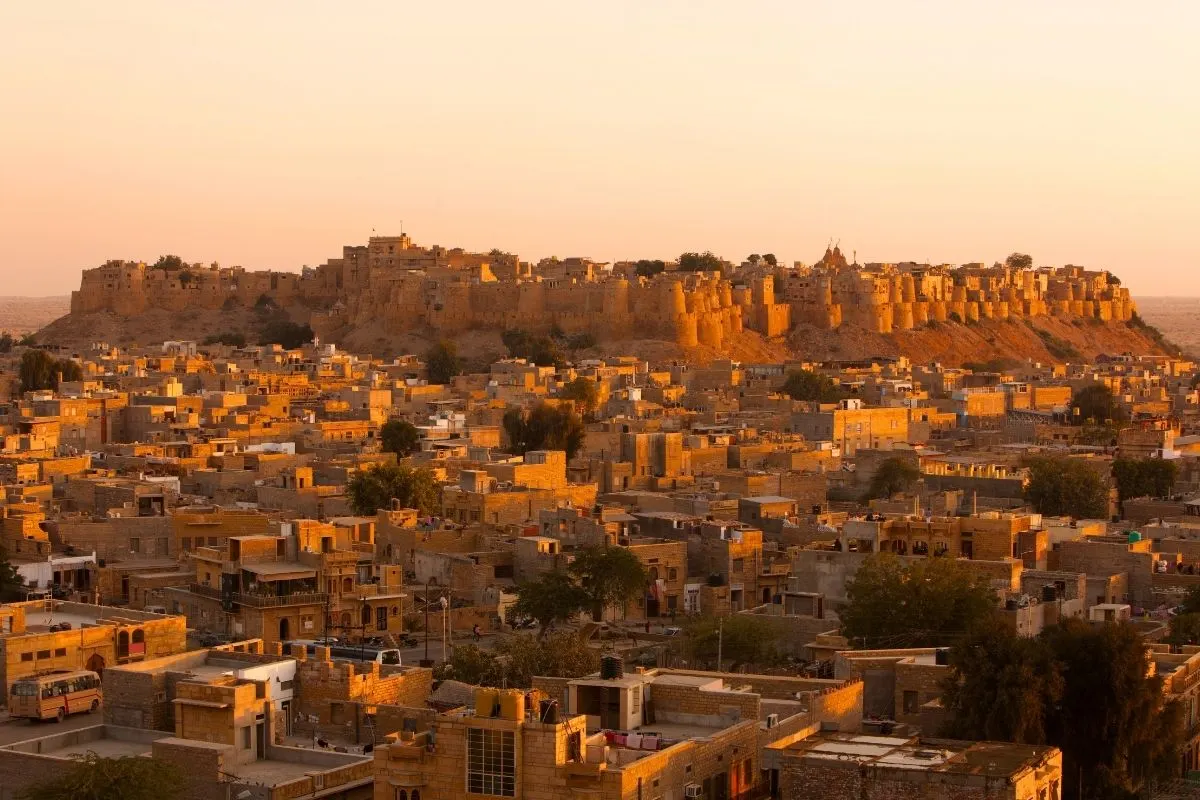
- Jaisalmer Fort and the havelis: The golden sandstone fort that people still live in, its lanes of shops and Jain temples, and the carved merchant houses of Patwon Ki Haveli, Nathmal Ki Haveli and Salim Singh Ki Haveli, with Gadisar lake at sunset.
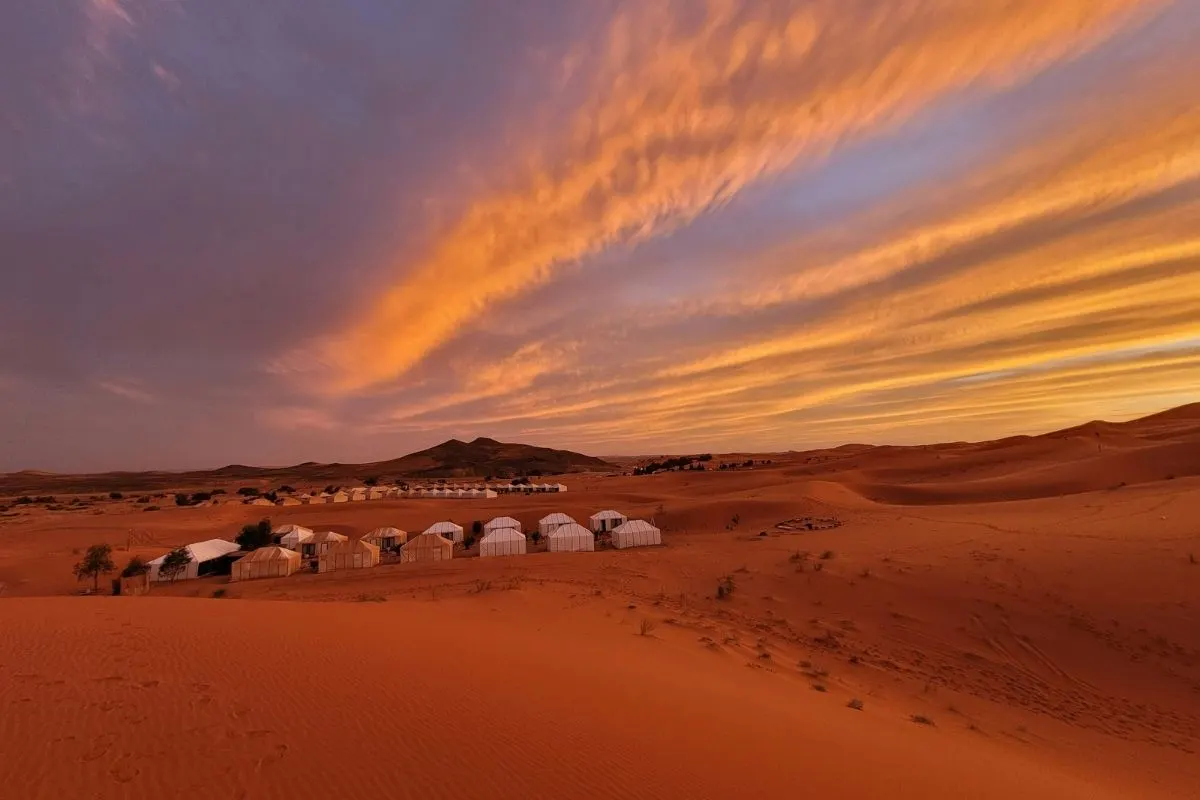
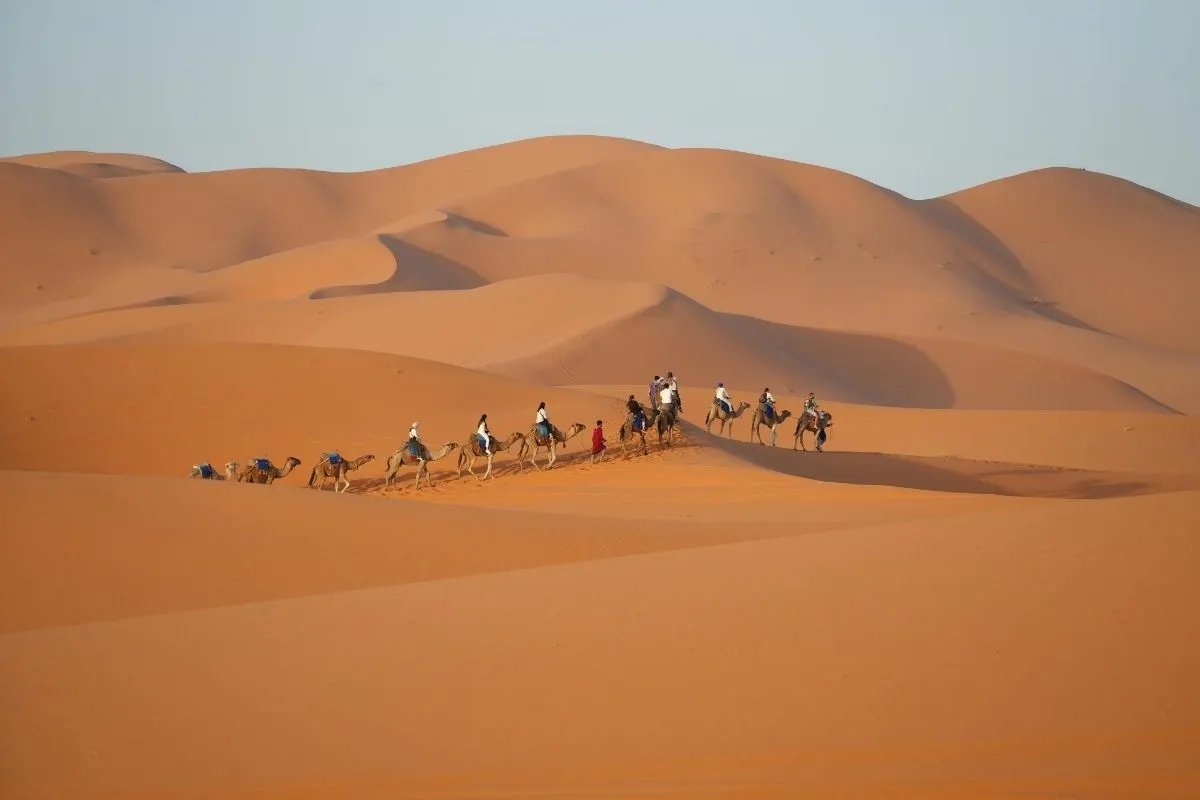
- Sam Sand Dunes: The dunes about 40 km west of Jaisalmer, for a camel ride at sunset and a night in a tented camp with folk music on the plans that include one.
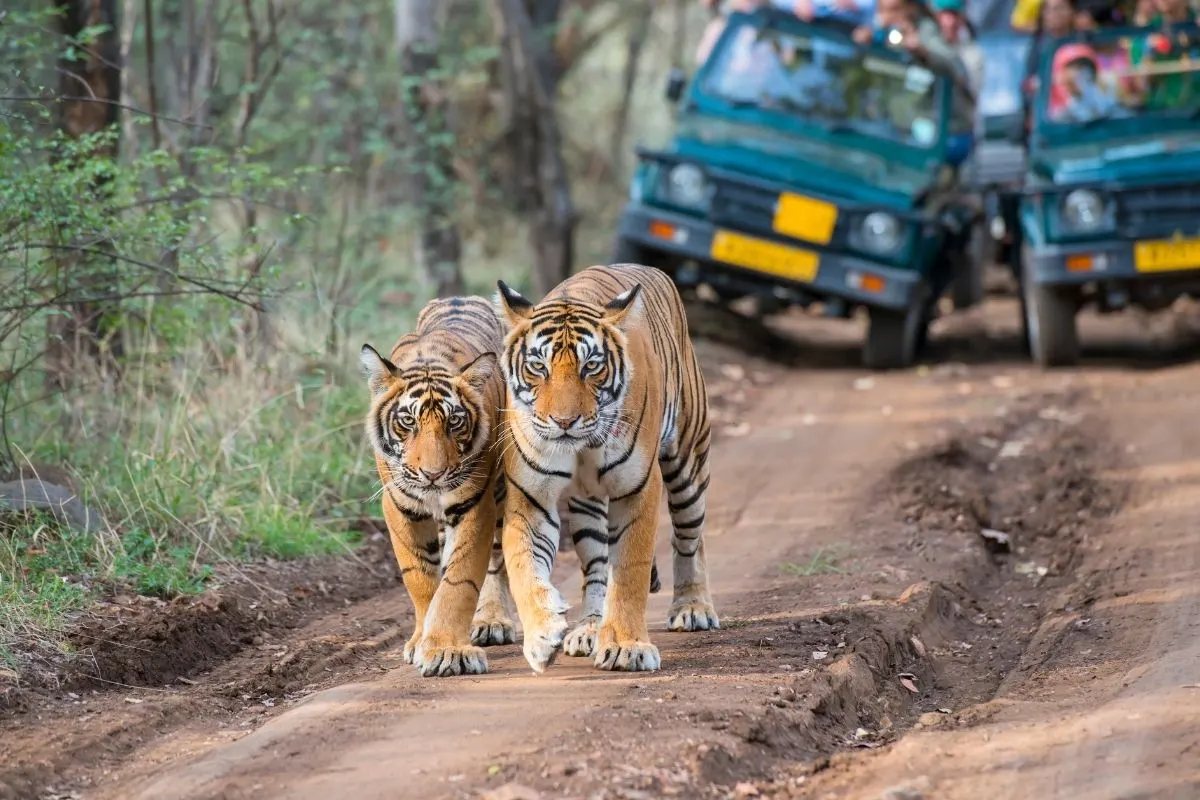
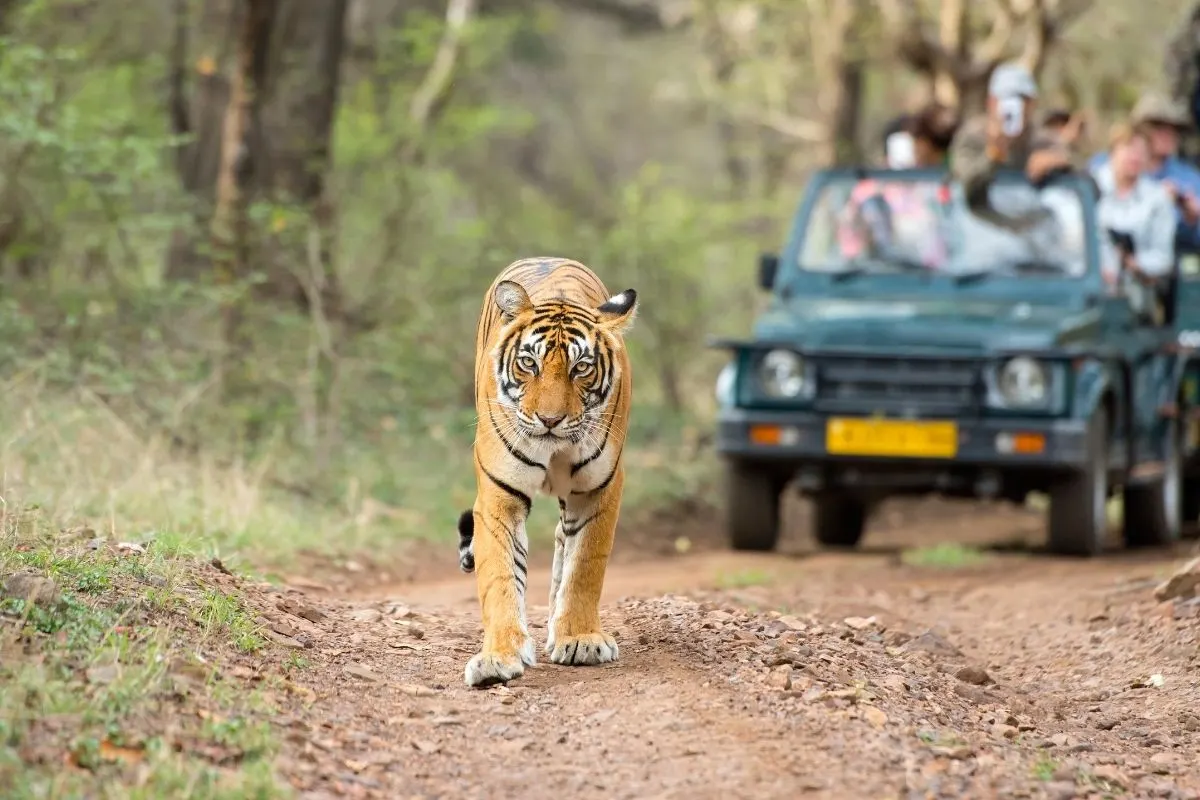
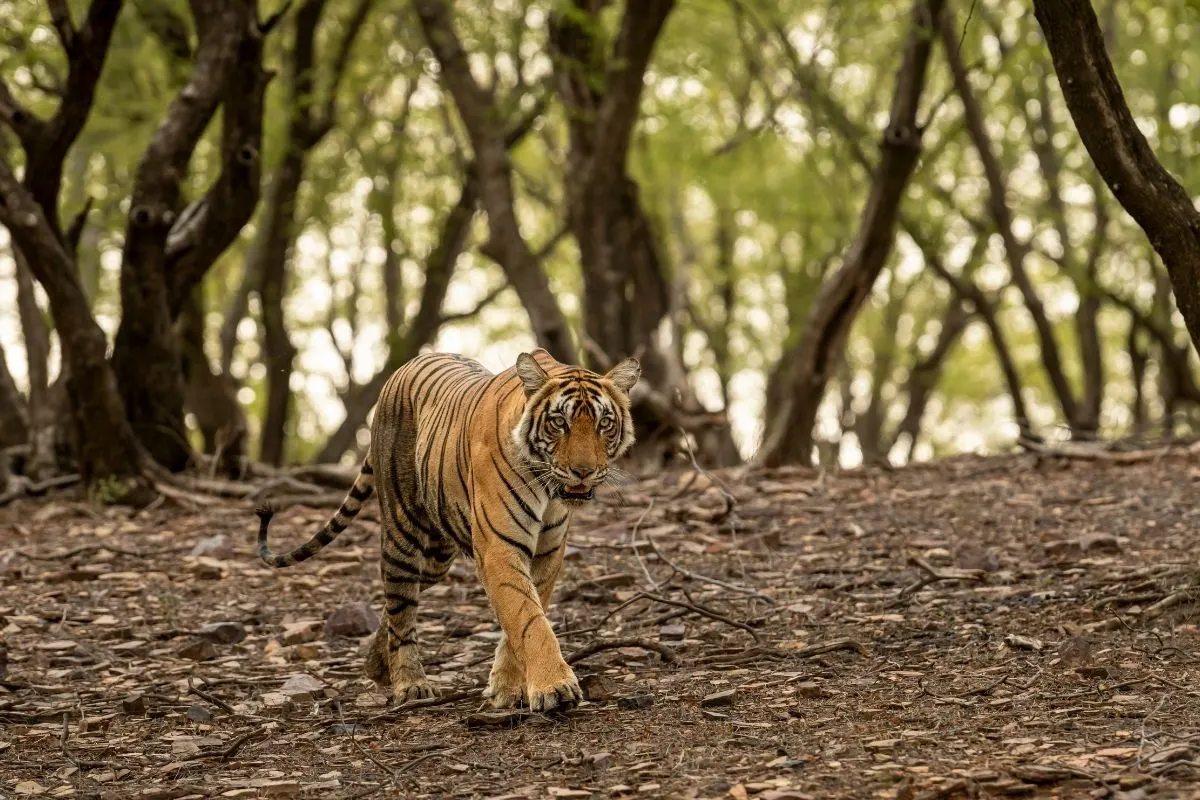
- Ranthambore National Park: The tiger reserve near Sawai Madhopur, about three to four hours from Jaipur, with jeep or canter safaris and the old Ranthambore Fort on its hill inside the park.
- Kumbhalgarh and Ranakpur: The hill fort north of Udaipur whose wall runs for kilometres over the Aravallis, with a light and sound show in the evening, and the white marble Jain temple at Ranakpur with its forest of carved pillars on the road to Jodhpur.
- Chittorgarh Fort: The largest fort in Rajasthan, a day trip from Udaipur: seven gates on the climb, the Vijay Stambh victory tower and Padmini's palace.
- Pushkar and Ajmer: The lake town with one of the few Brahma temples in India and the ground of its camel fair, and the Ajmer Sharif dargah half an hour away.
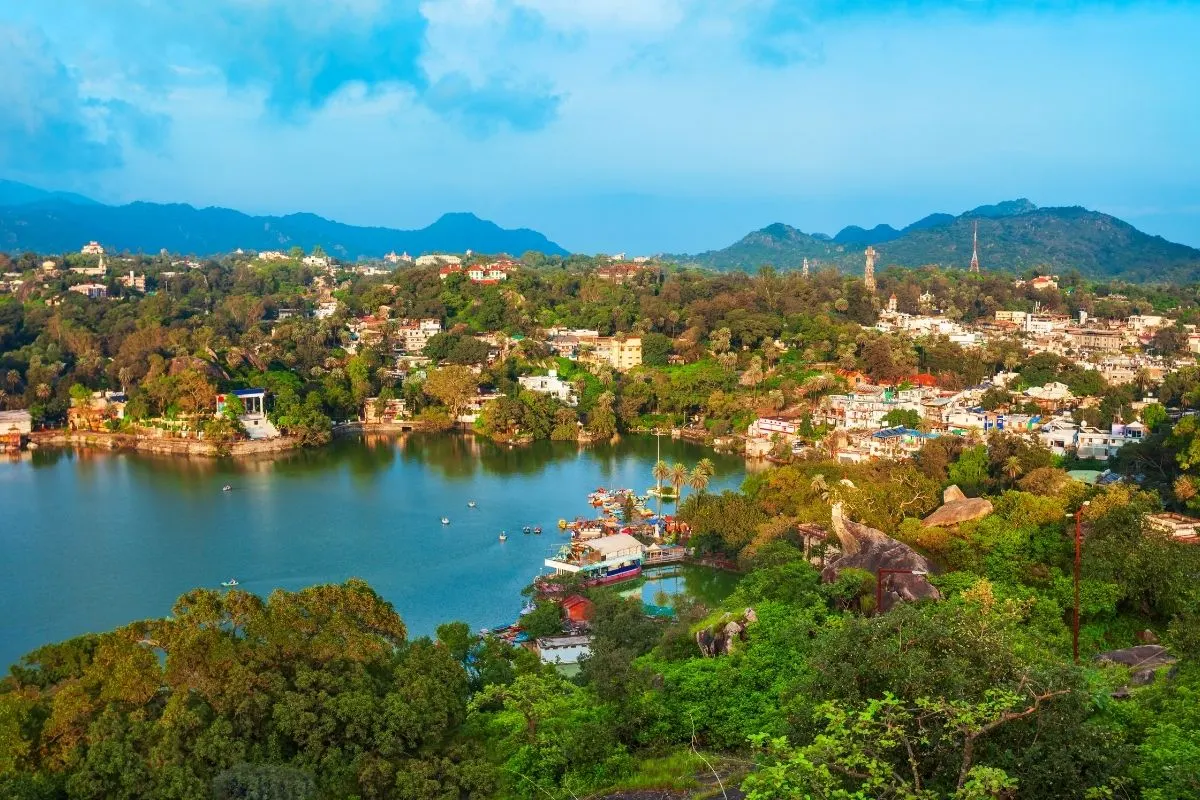
- Mount Abu: Rajasthan's only hill station, on the Gujarat border: the Dilwara Jain temples carved in white marble, Nakki Lake and Guru Shikhar, the highest point of the Aravallis.
- Bikaner: Junagarh Fort, built on the plain rather than a hill, the Karni Mata temple at Deshnoke, known for its rats, and the camel breeding farm; the first stop of the longer desert circuits.
What to eat
Dal baati churma is the state dish, with gatte ki sabzi, ker sangri from the desert and, for meat eaters, laal maas, a fiery mutton curry. Jodhpur is known for its mirchi vada and pyaaz kachori and its makhaniya lassi, Jaipur and Pushkar for ghewar and other sweets, Bikaner for its bhujia. A Rajasthani thali is the easiest way to try most of it in one sitting, and vegetarian food is easy to find in every town.