Best time
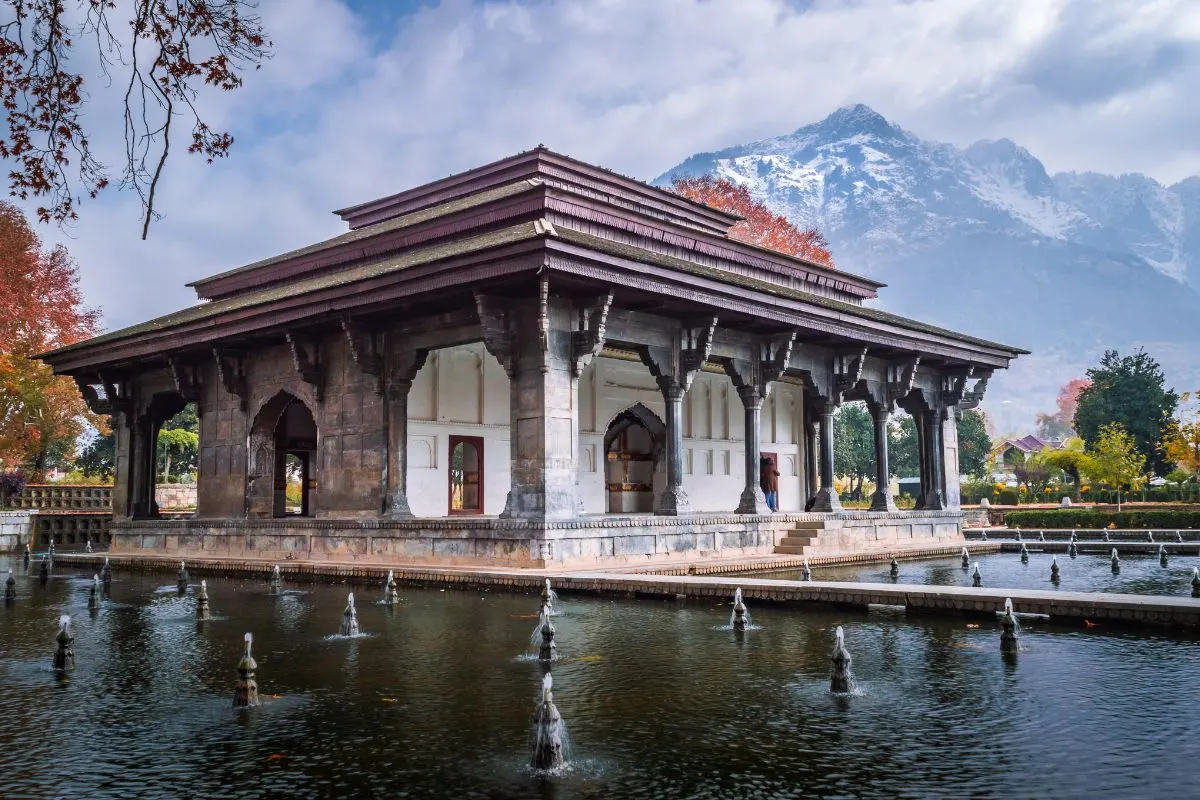
March to May is spring, with the tulip garden usually open from late March; June to August is the busy summer, when every valley is open; September to November is calm autumn with the chinars turning in late October; December to February is the snow season in Gulmarg and Pahalgam. Every month works, depending on whether you want meadows or snow.
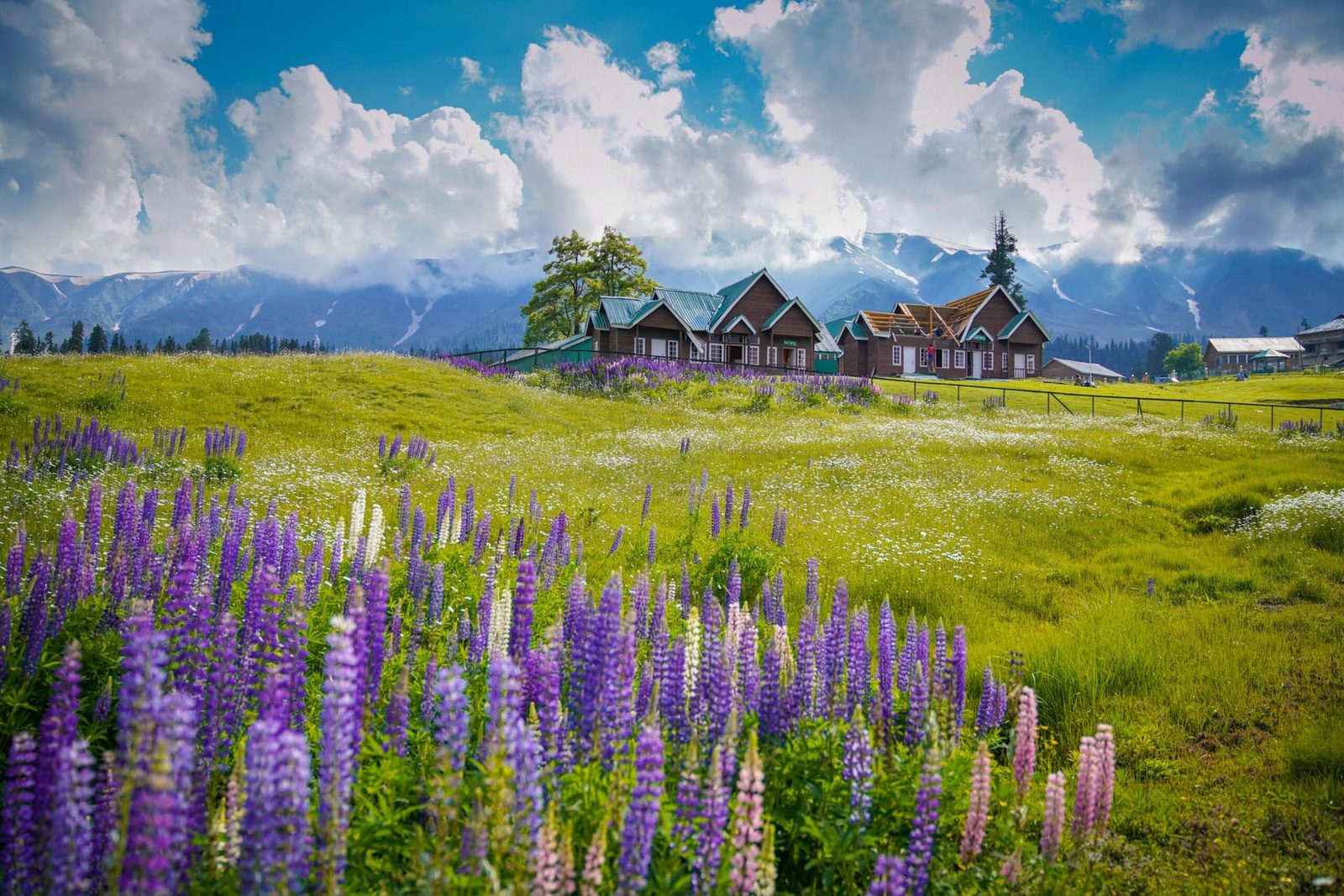
- March to May, 5 to 25°C: Spring: the almond blossom, the tulip garden in Srinagar (usually open from late March for about a month) and snow still on Gulmarg early in the season. April and May are busy and well priced only if booked early.
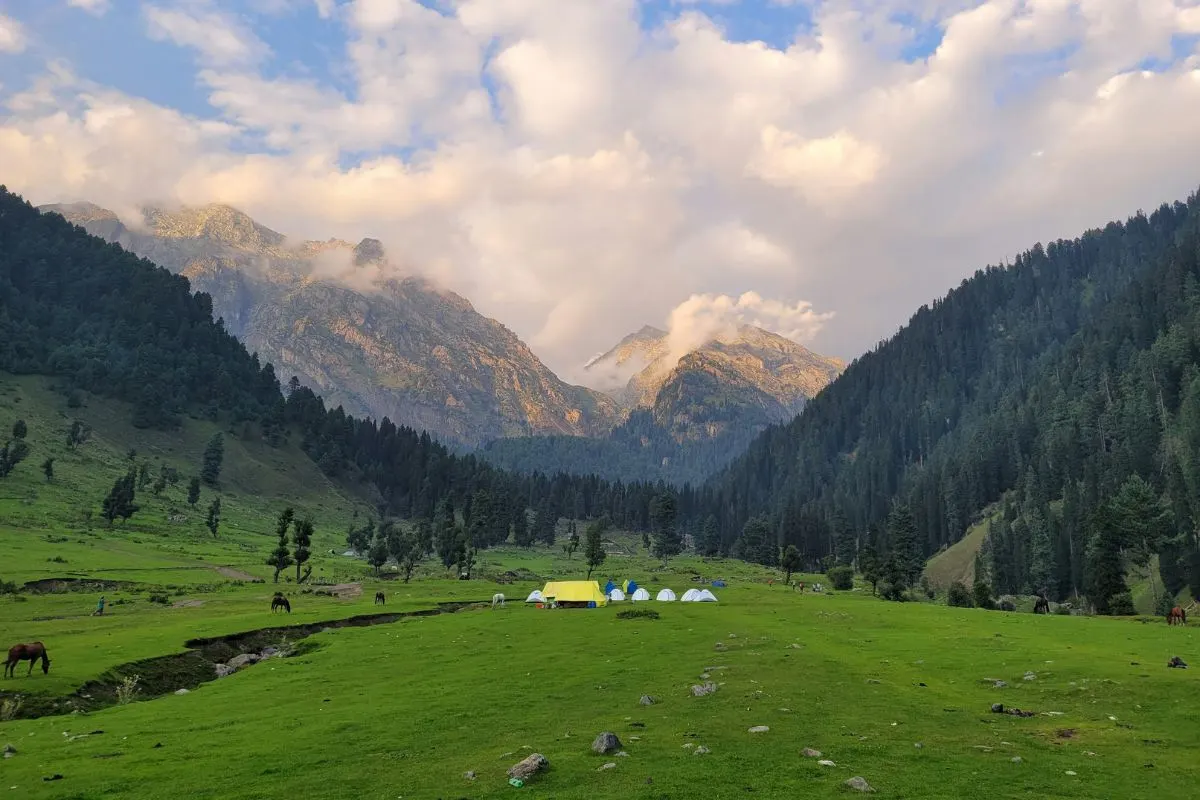
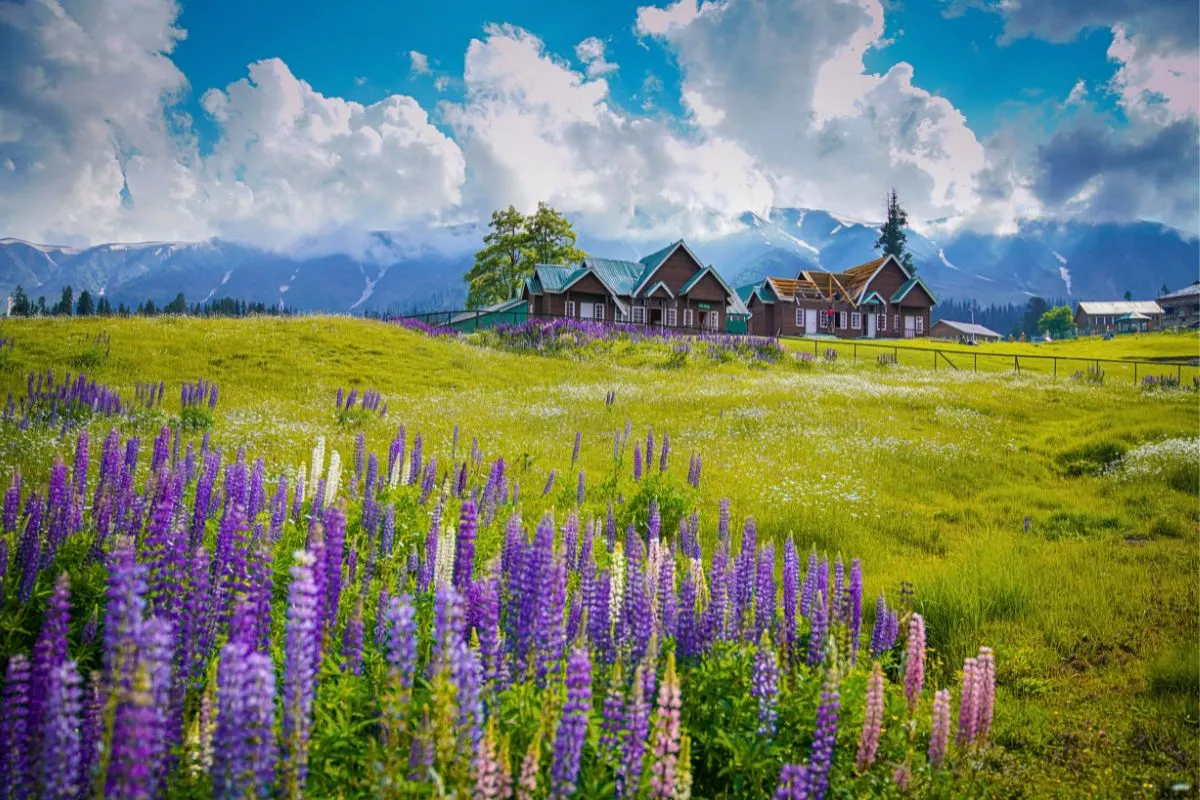
- June to August, 15 to 32°C: Summer: green meadows, every valley open and pleasant days while the plains swelter. The busiest stretch; the Amarnath Yatra usually runs from July into August and brings extra traffic and checks around Pahalgam and Sonmarg.
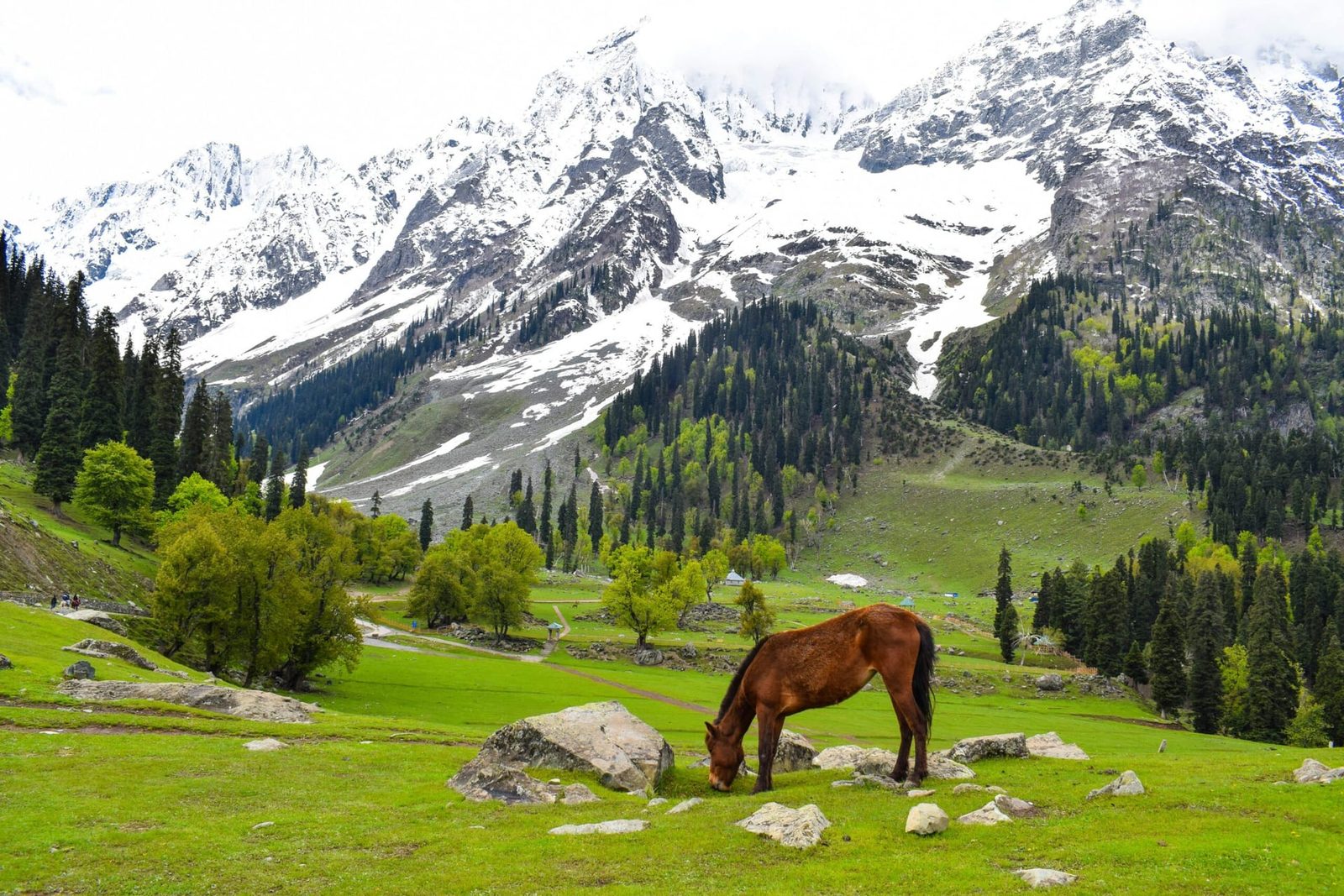
- September to November, 3 to 25°C: Autumn: clear skies, apple harvest and the chinar trees turning red and gold from late October. Quieter and calmer than summer, with cold nights by November.
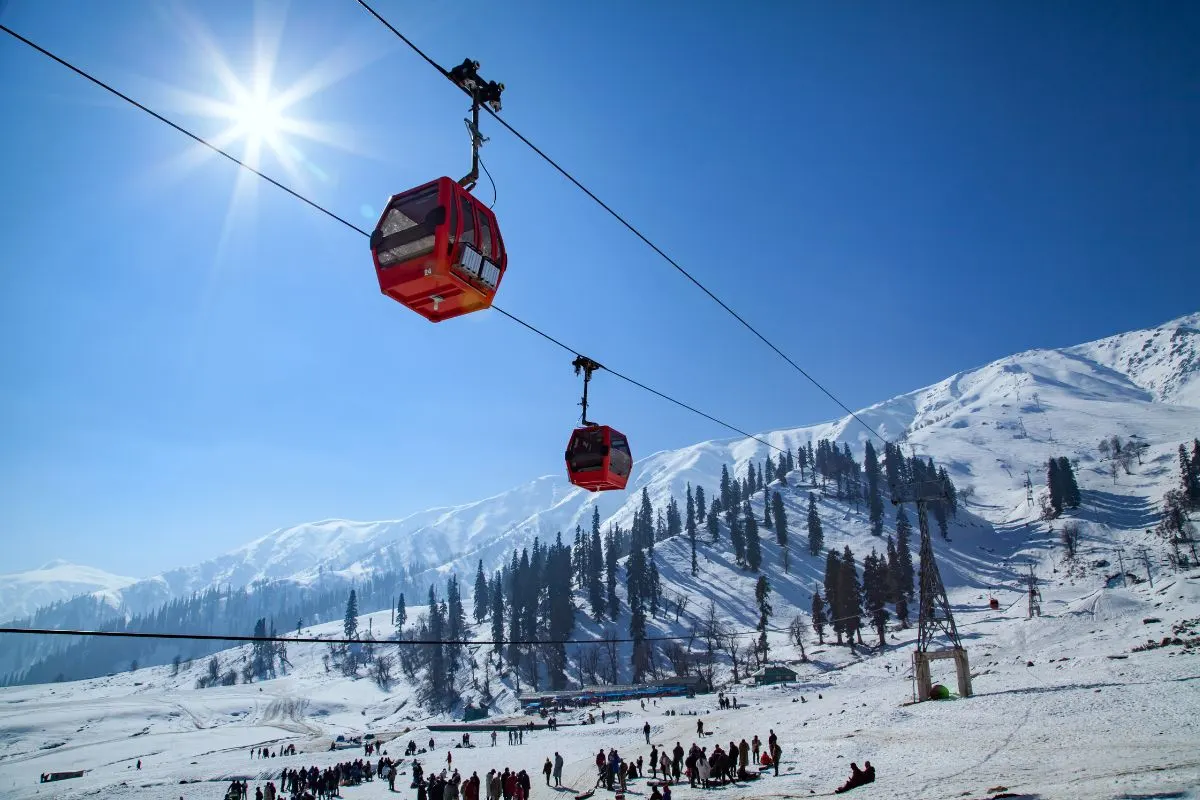
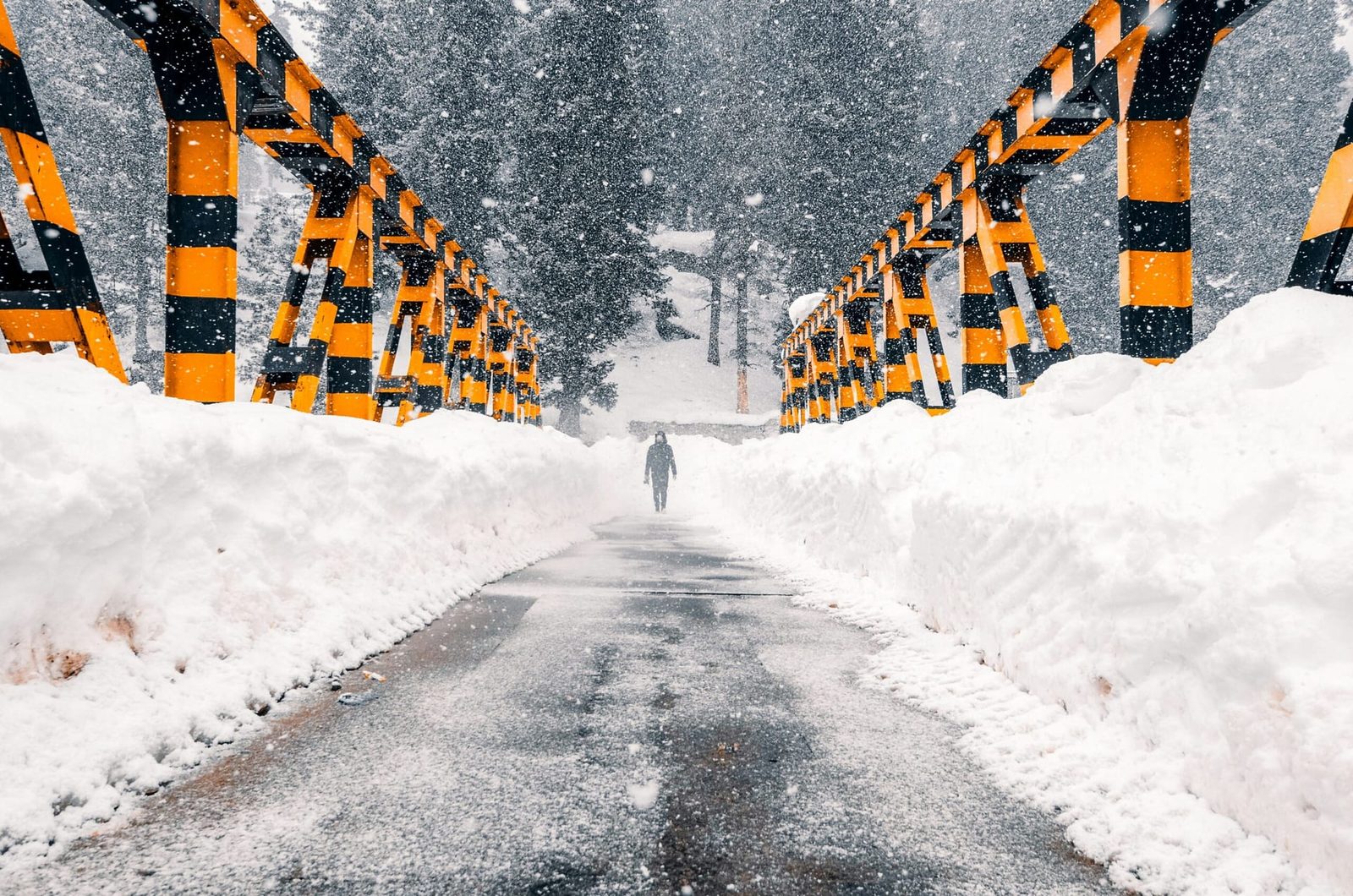
- December to February, -8 to 10°C: Winter: snow in Gulmarg and Pahalgam, skiing and sledging at Gulmarg, and the coldest forty days (Chillai Kalan) from late December to January. Heavy snow can hold up roads and flights for a day, so keep a little slack in the plan.
What to pack
For summer, cotton for the day and a light woollen or fleece for the evenings in Gulmarg, Pahalgam and Sonmarg. For spring and autumn, a proper jacket, as nights drop close to freezing. For winter, thermals, a down jacket, gloves, a woollen cap and waterproof boots; snow boots and coats can usually be hired at Gulmarg. Sunglasses and sunscreen for the glare off the snow, comfortable shoes for the pony trails, something covering arms and legs (and a scarf for the head) for Hazratbal and the shrines, and a photo ID for every traveller. Prepaid mobile connections from outside Jammu and Kashmir usually do not work there; a postpaid number does.
Getting there
From Hyderabad, fly to Srinagar; some days have non-stop flights, and many itineraries connect through Delhi. Our trips start at Srinagar airport with a car and driver, or at Jammu or Katra for the Vaishno Devi plans. By rail it is a long journey to Jammu Tawi or Katra, and from Katra the Vande Bharat trains run on to Srinagar.
From Bengaluru, fly to Srinagar, non-stop on some days or through Delhi. The trips start at Srinagar airport or railway station, or at Jammu or Katra for the plans that begin with Vaishno Devi; flights are not part of the package.
From Chennai, fly to Srinagar, usually connecting through Delhi. Most trips start at Srinagar airport; the Vaishno Devi plans start at Jammu airport or Katra railway station and drive into the valley.
Permits and fees
Indian citizens need no permit for Srinagar, Gulmarg, Pahalgam, Sonmarg or Doodhpathri; carry a government photo ID, which hotels and checkposts ask for. Gurez is a border area near the Line of Control, and the Gurez trip includes help with the entry formalities for Indian nationals. Foreign nationals should tell the planner before booking, since border areas have their own rules. Gondola tickets, park entries and pony rides are paid at each place; confirm the current rates before you travel.