Best time
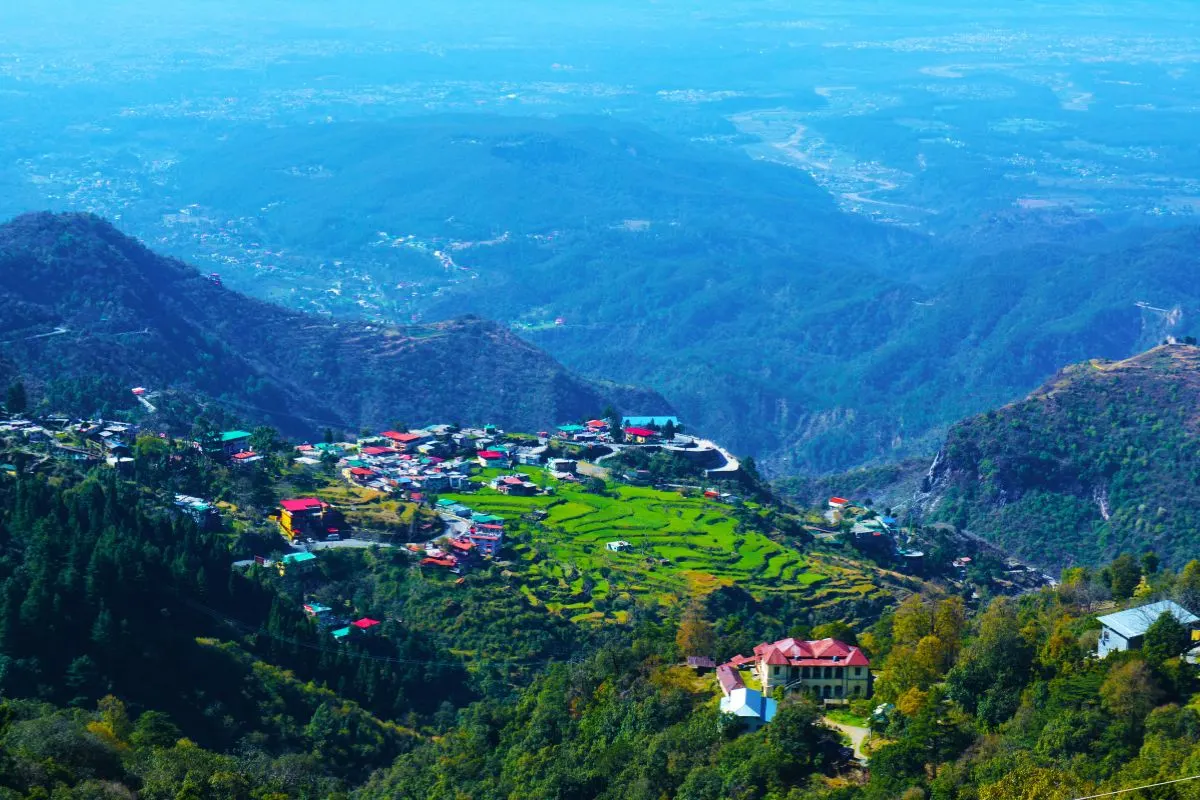
October to March is the best time for Delhi, Agra, Jaipur, Amritsar and the pilgrim towns, and March to June with October and November for the hill stations of Himachal and Uttarakhand. December to February brings snow to Shimla, Manali and Auli, and July to September is the monsoon, when landslides can close the hill roads.
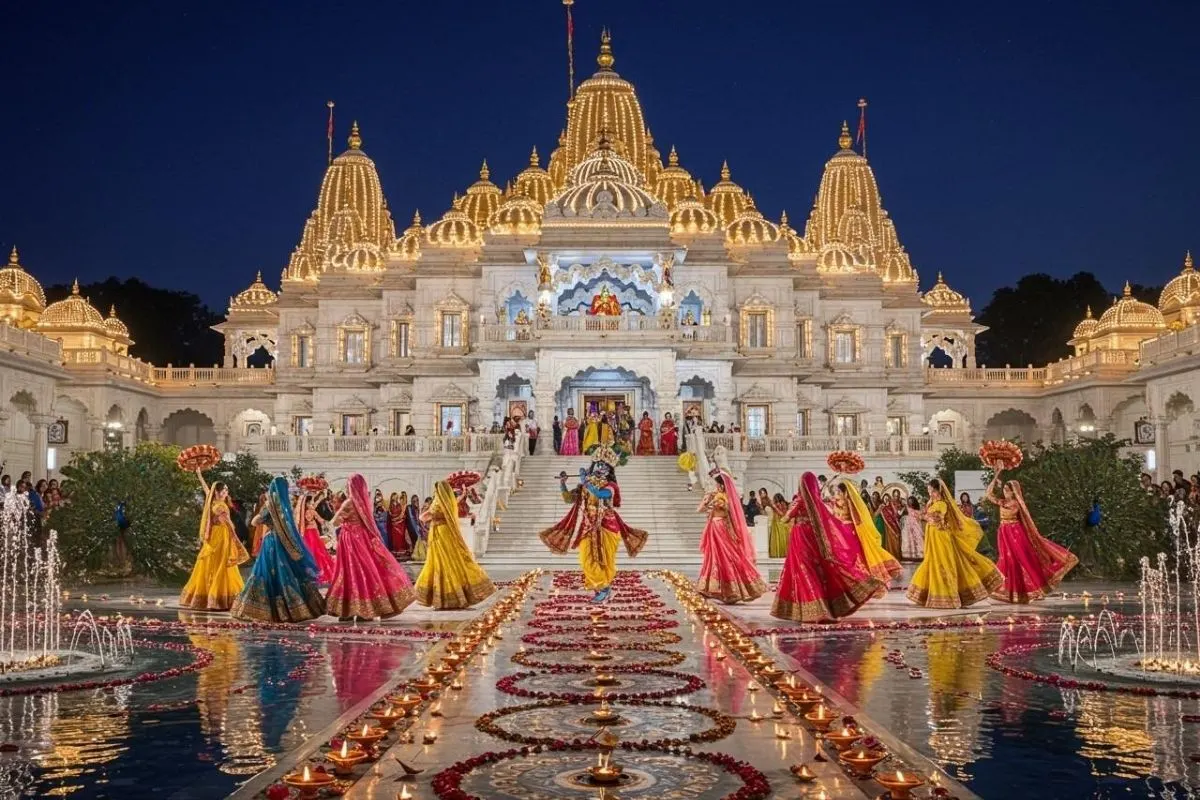
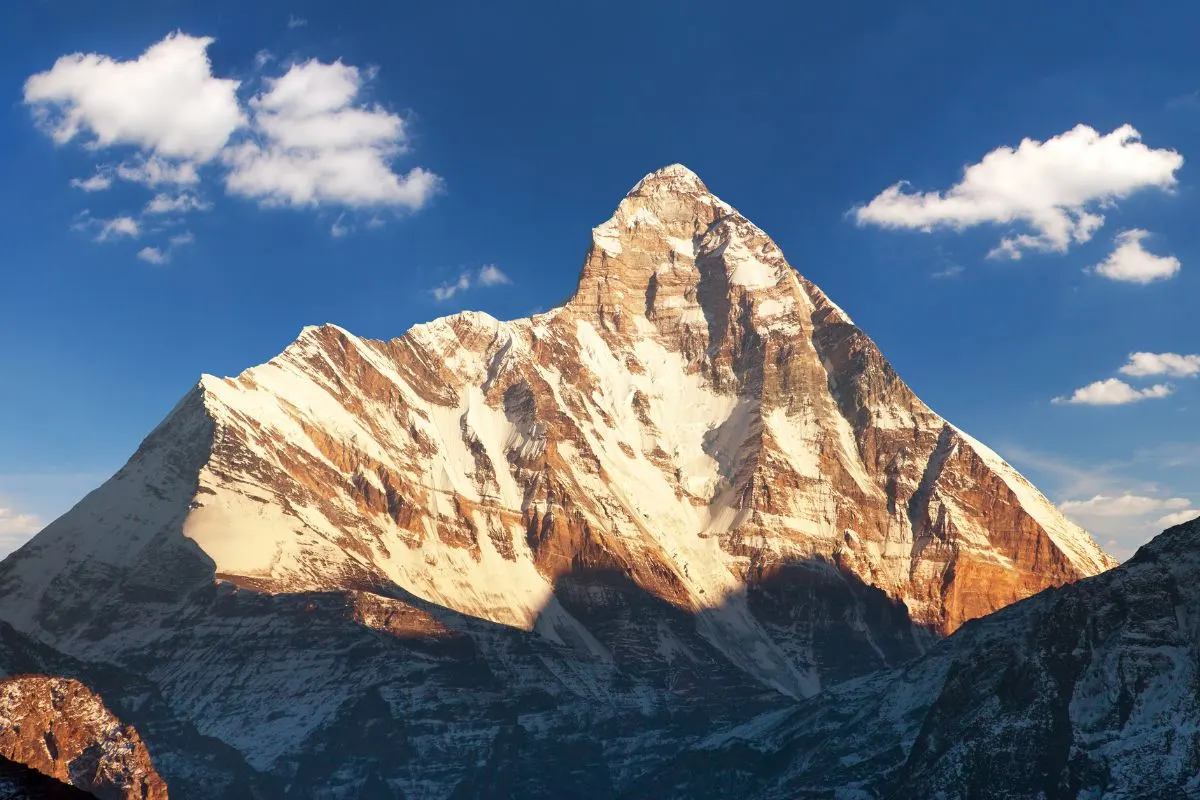
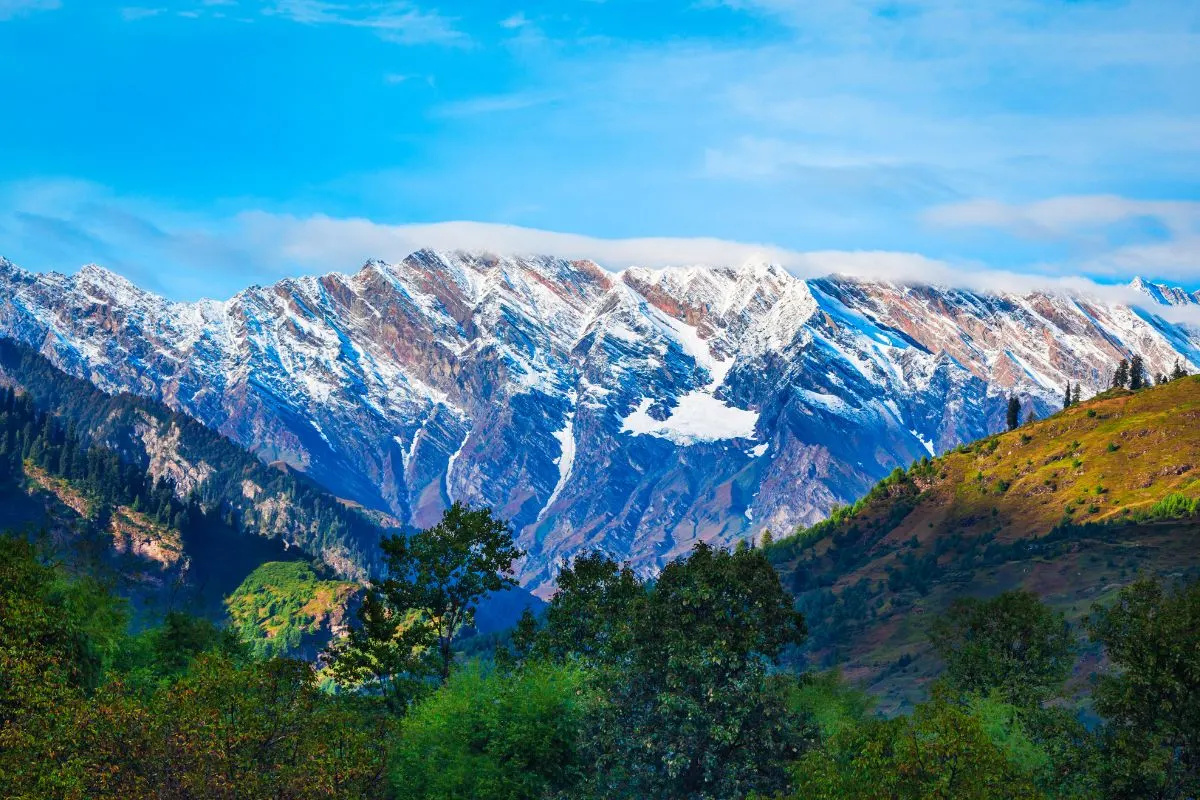
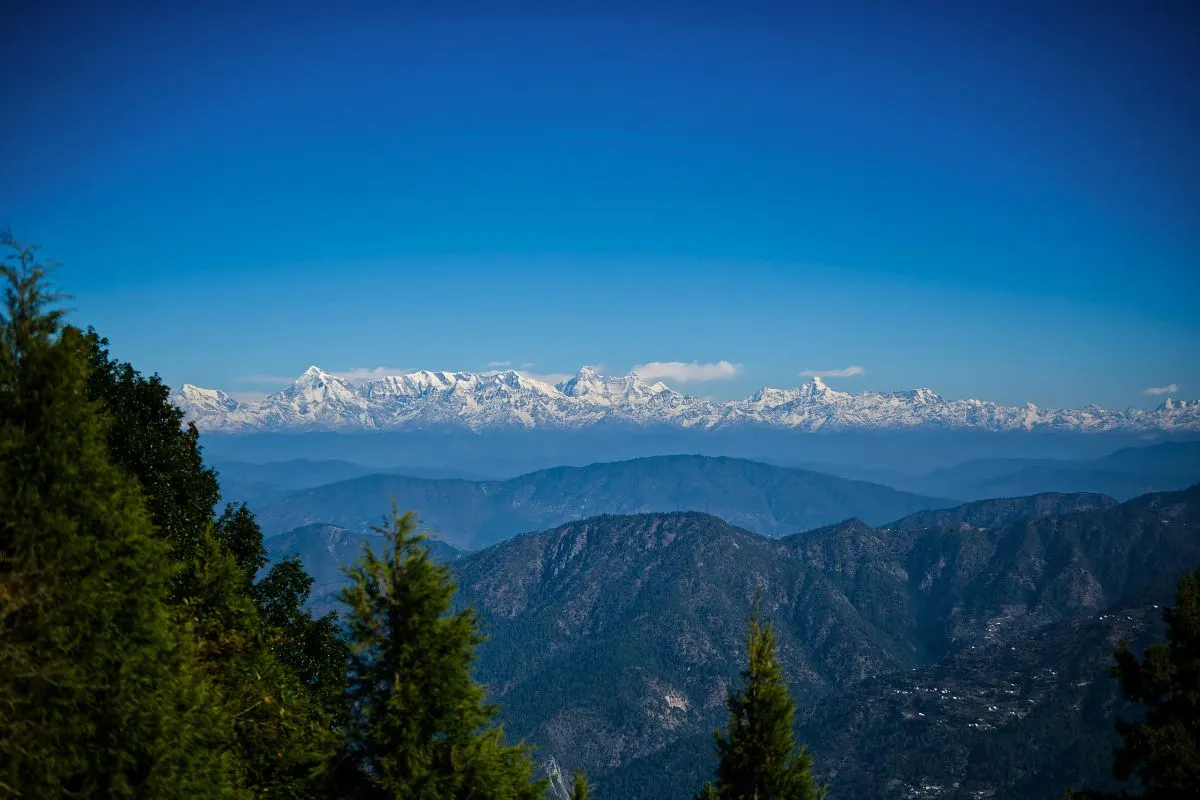
- October to November, 10 to 32°C: The best all-round weeks: clear, dry days on the plains and sharp views of the snow peaks from the hills, with Dussehra and Diwali the busiest dates. The Char Dham temples usually close around Diwali.
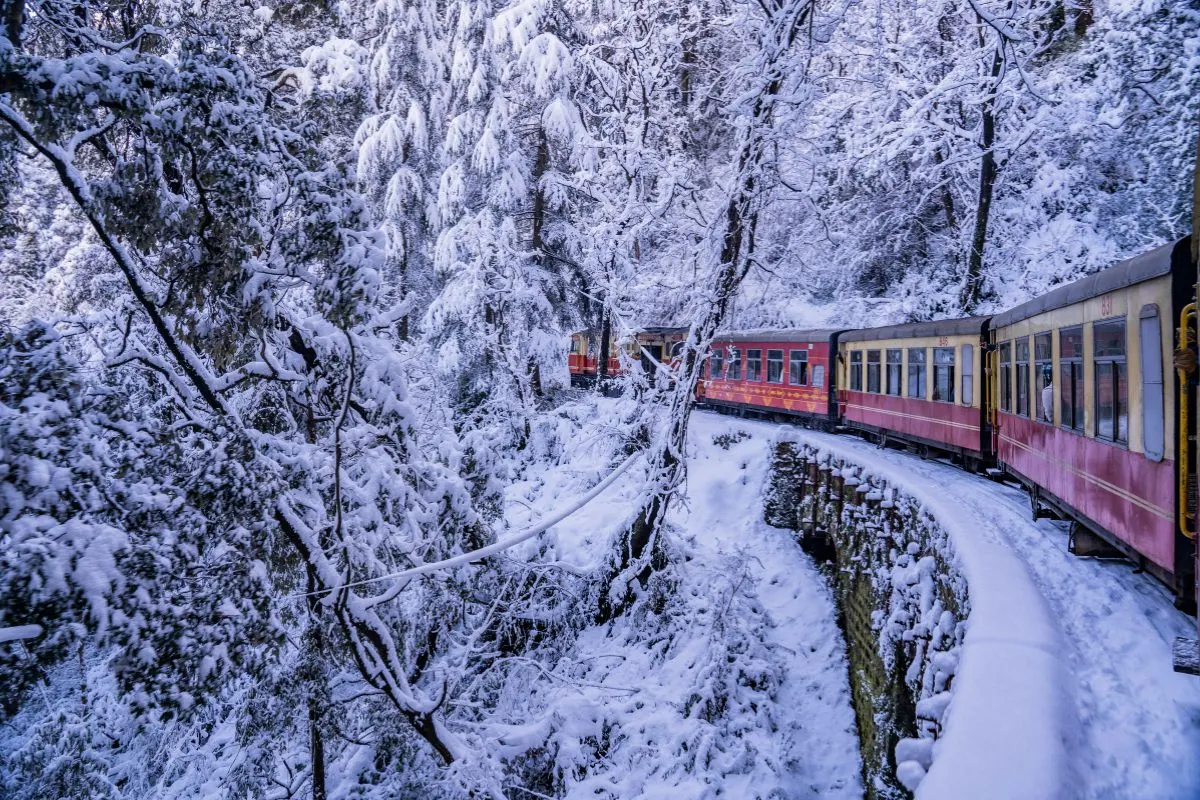
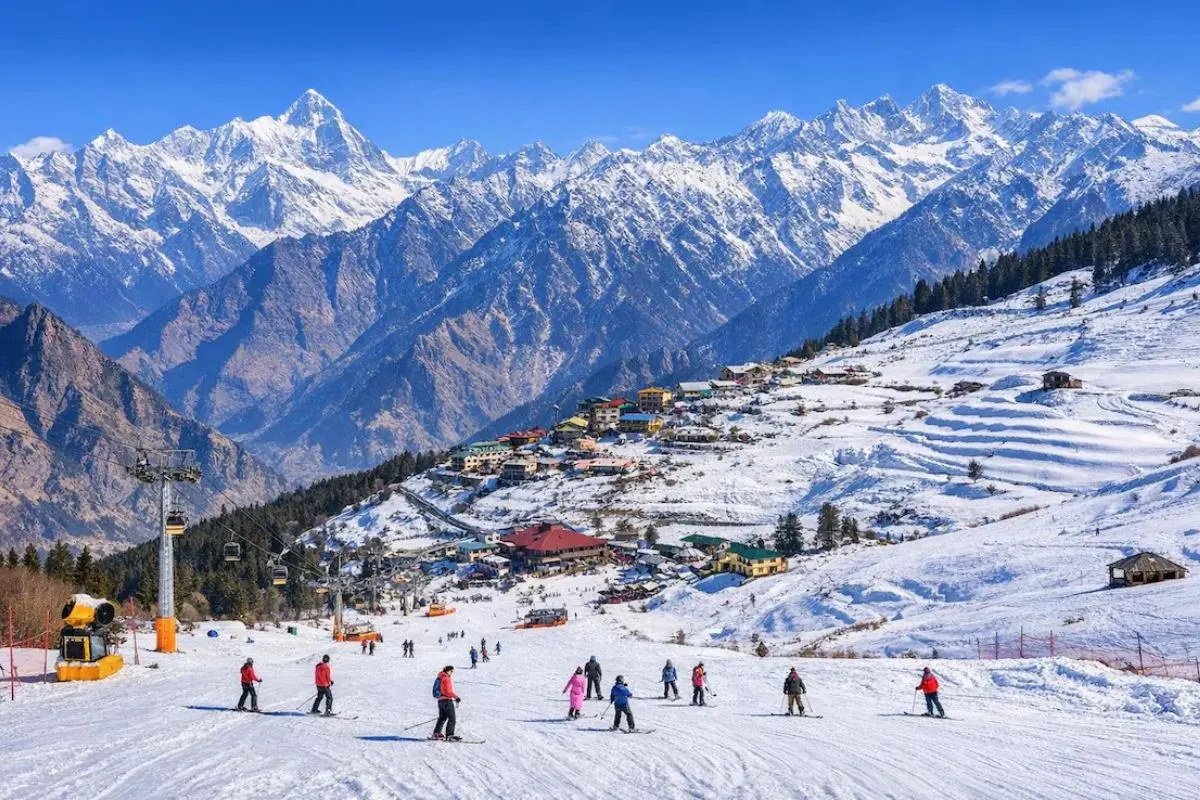
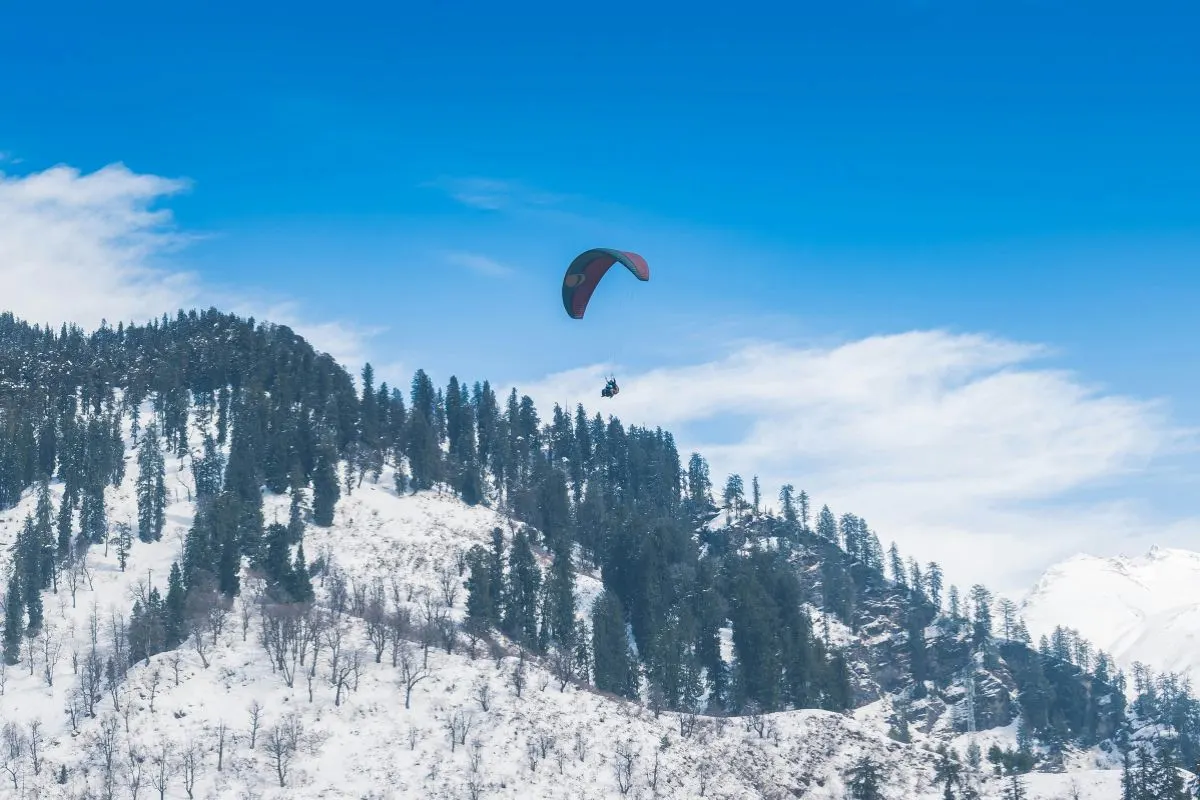
- December to February, -5 to 25°C: Snow in Shimla, Kufri, Manali and Solang and the ski season at Auli; cold, foggy mornings in Delhi, Agra and Jaipur. Heavy snow can close the high roads, and Christmas and New Year are the dearest weeks.
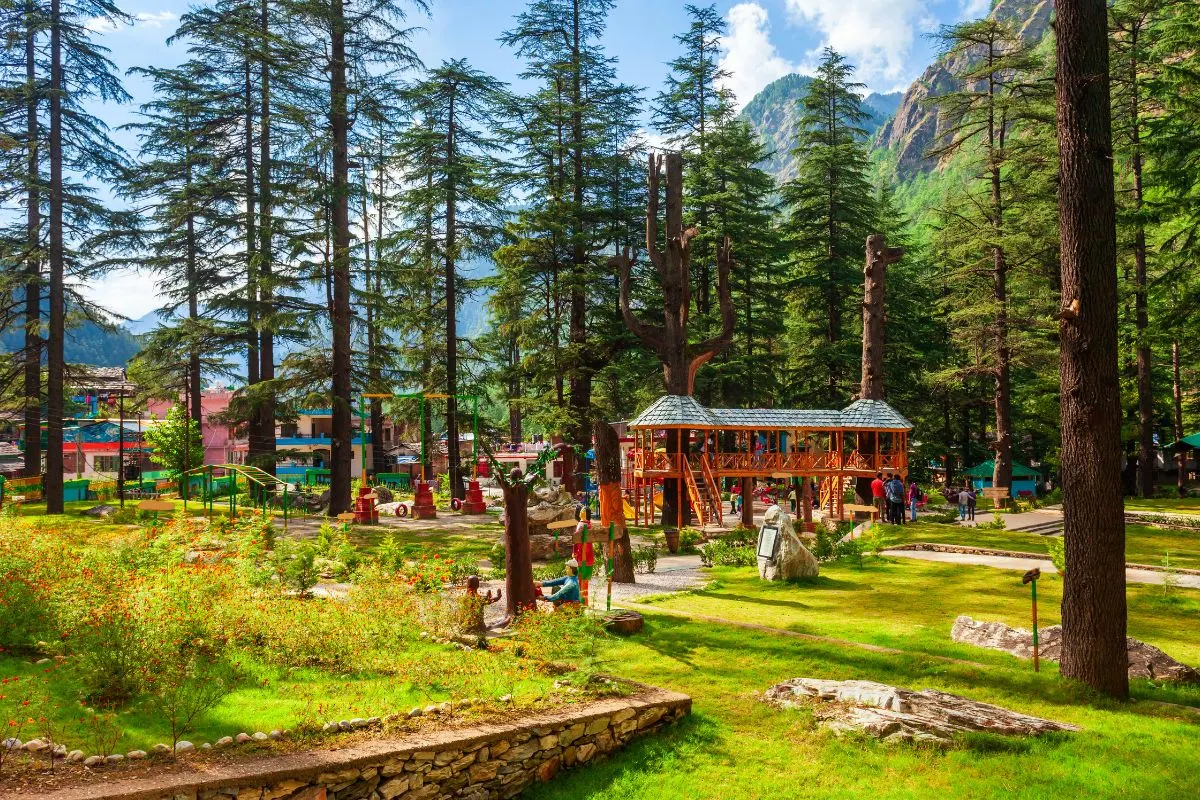
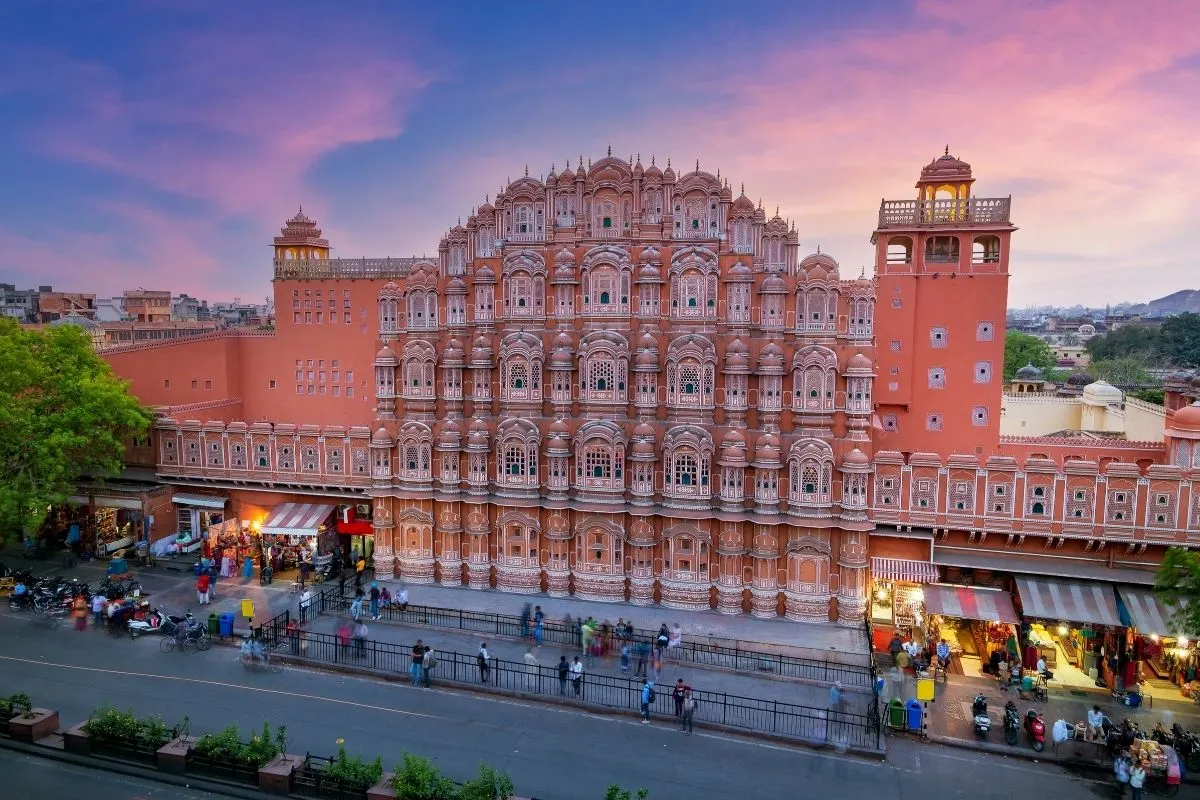
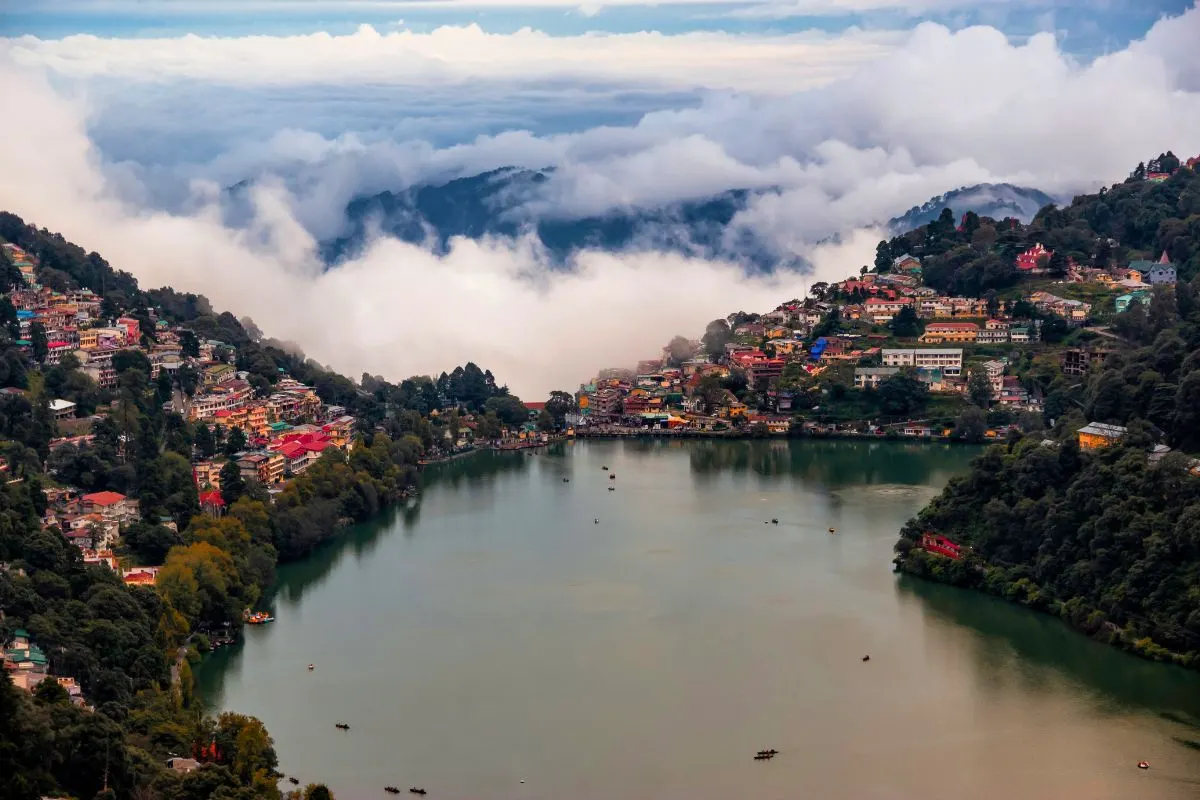
- March to June, 10 to 45°C: The hill-station season: pleasant days in Shimla, Manali, Mussoorie and Nainital, the Rohtang road usually opening around May or June and the Char Dham yatra starting in late April or May. The plains turn very hot from April, so the Taj and Jaipur are best in March.
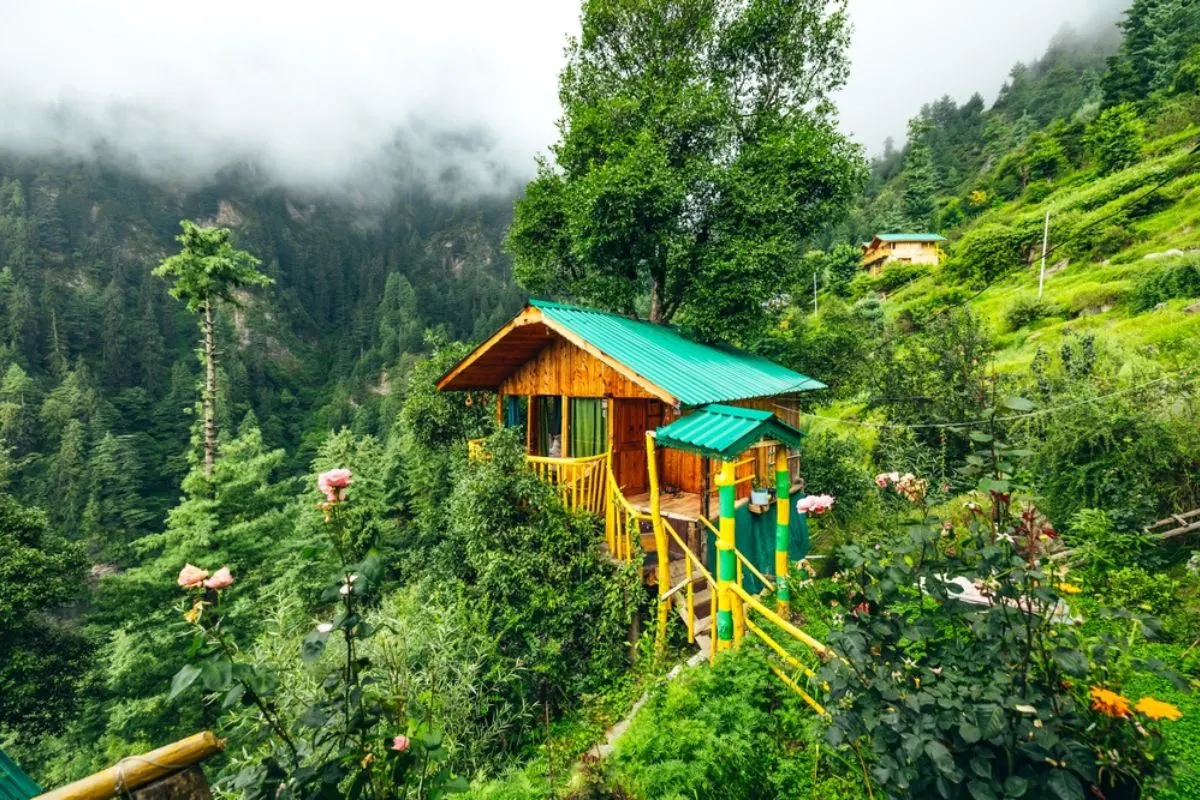
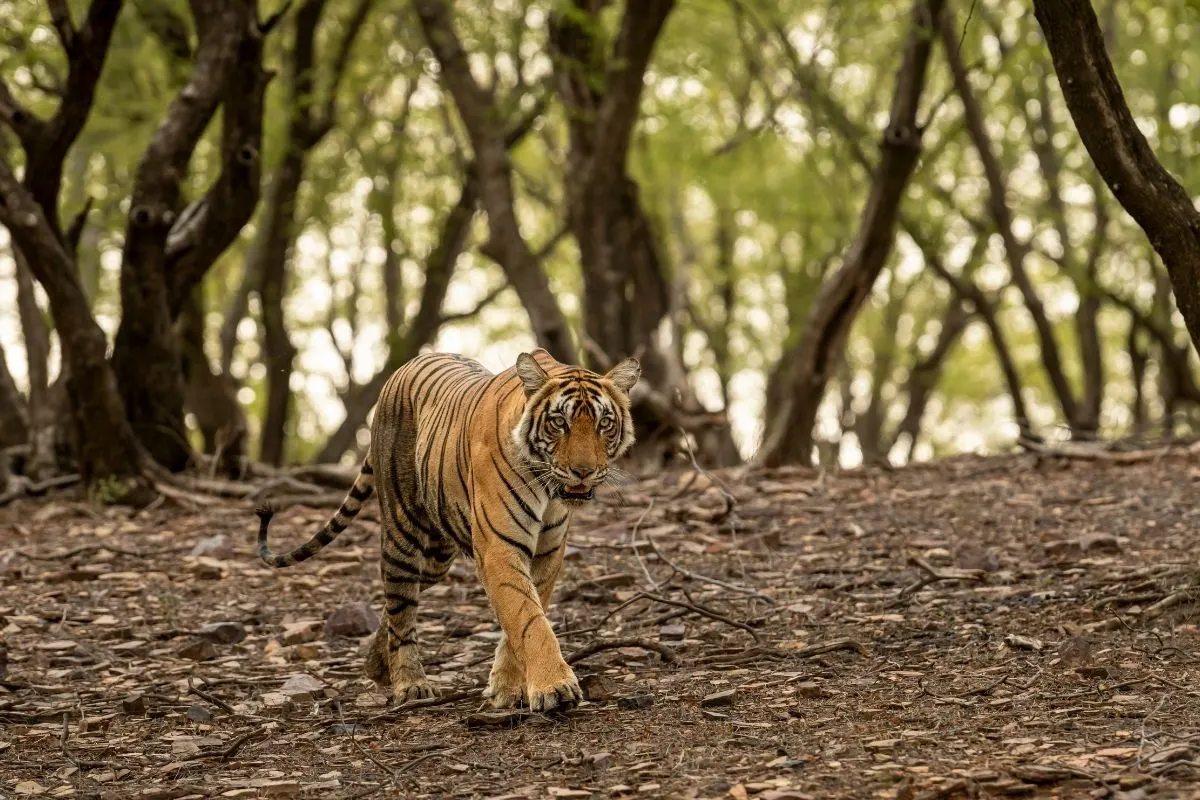
- July to September, 15 to 35°C: The monsoon: landslides can close the hill roads in Himachal and Uttarakhand for hours or days, most Corbett safari zones are shut, and the plains are humid with heavy showers.
What to pack
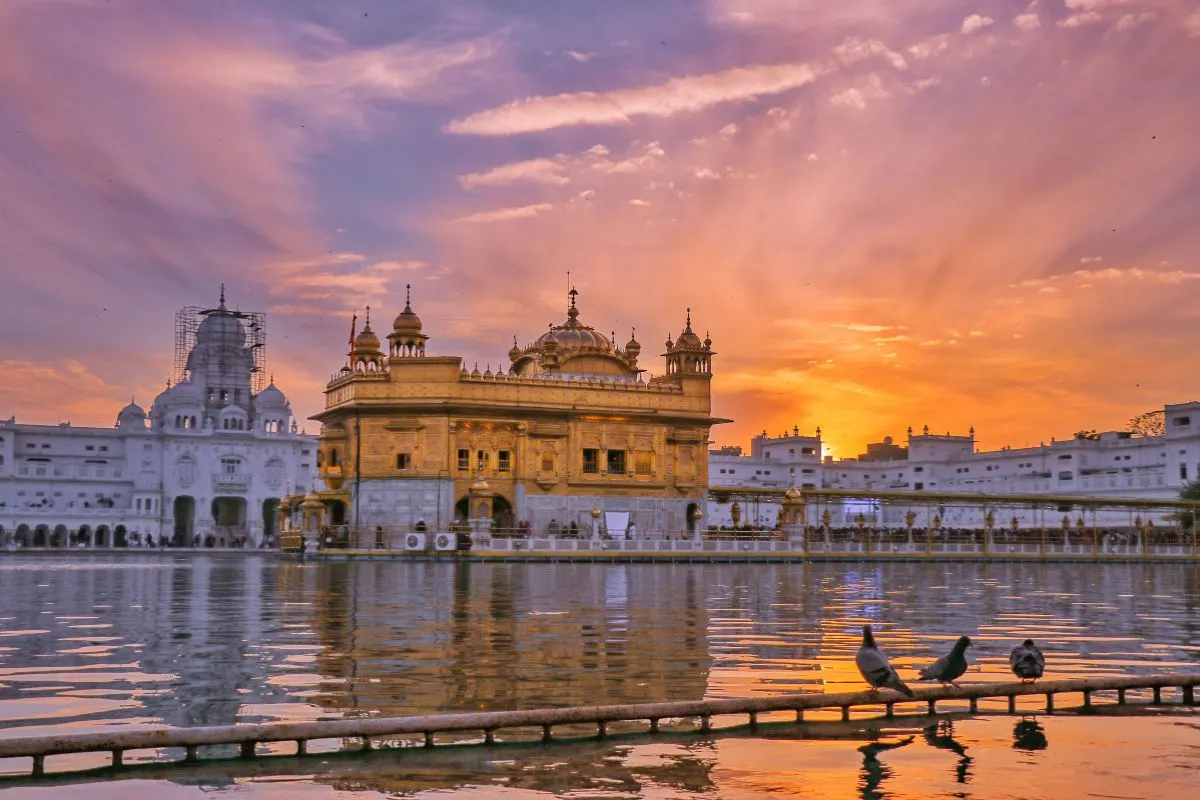
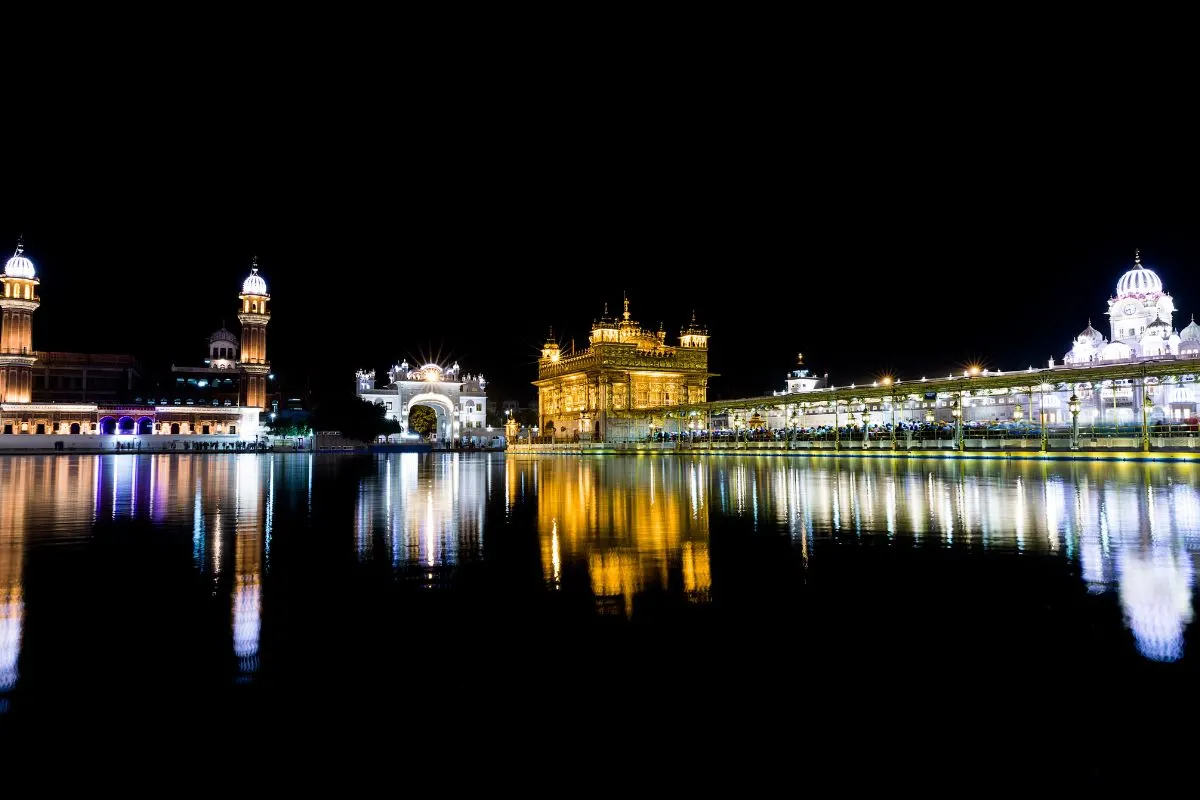
From March to June, light clothes for the plains and a sweater or light jacket for the hill evenings. From October to February, layers: thermals, a fleece, a padded jacket, gloves and a woollen cap for Shimla, Manali, Mussoorie and Auli, where winter nights fall below freezing, and a warm layer even for Delhi and Agra mornings. A rain jacket and shoes with a good grip from July to September. Comfortable shoes that slip off easily for the temples and the Taj, clothes that cover shoulders and knees, a scarf or cap to cover your head at the Golden Temple, an original photo ID for every traveller, and travel-sickness tablets for the winding hill roads if you need them.
Getting there
From Hyderabad, fly to Delhi, about two hours, or take the train, which is about a day. Most of our North India trips start with a pick-up in Delhi; a few begin in Chandigarh, Amritsar, Jaipur, Haridwar, Rishikesh, Dehradun, Mathura or Nainital, and each trip page says where it starts and ends. From there the trip is by road. The flight or train is not part of the package.
From Bengaluru, fly to Delhi, about two and a half to three hours; the train takes well over a day. Most trips start in Delhi, and for the ones that begin in Chandigarh, Amritsar, Jaipur or Dehradun you can fly there instead. Everything after the start city is by road, and the flight is booked separately.
From Chennai, fly to Delhi, about two and a half to three hours, or take the train, which is well over a day. Your car and driver meet you in Delhi for most plans; for the trips that start in Chandigarh, Amritsar, Jaipur or Dehradun, fly there instead. The journey to the start city is not part of the package.
Permits and fees
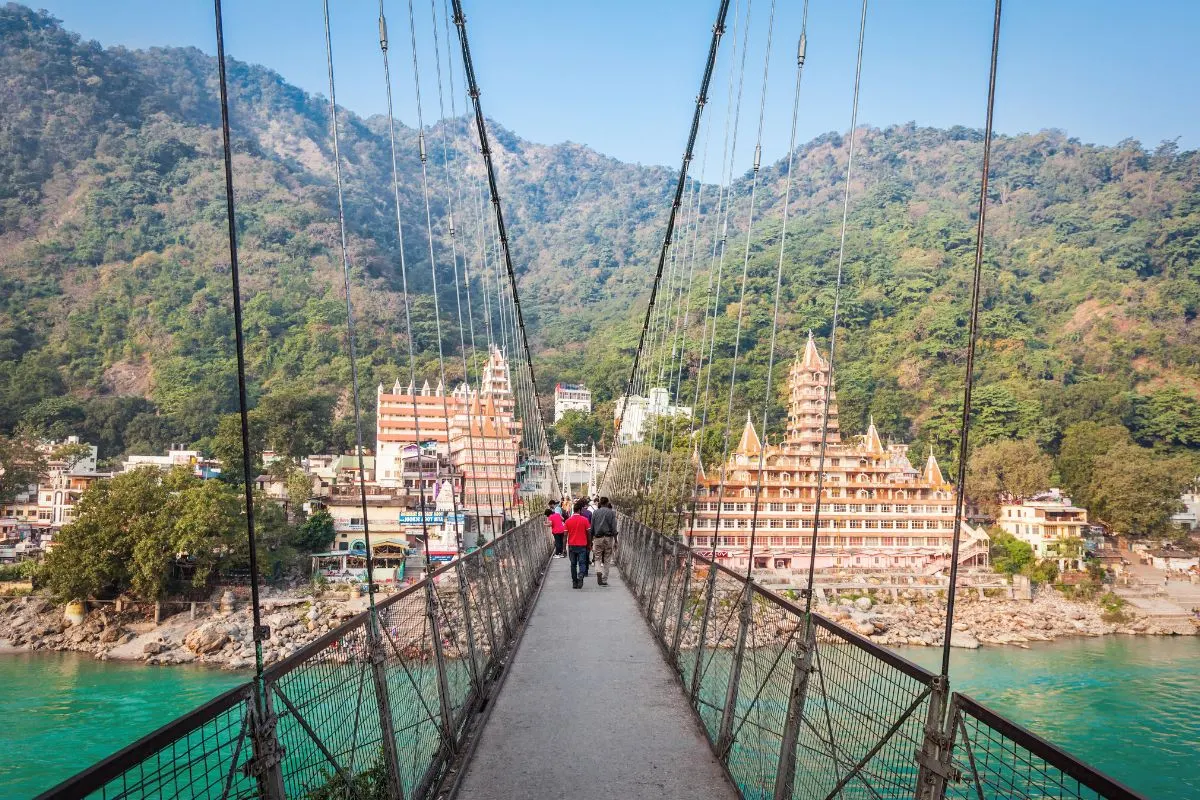
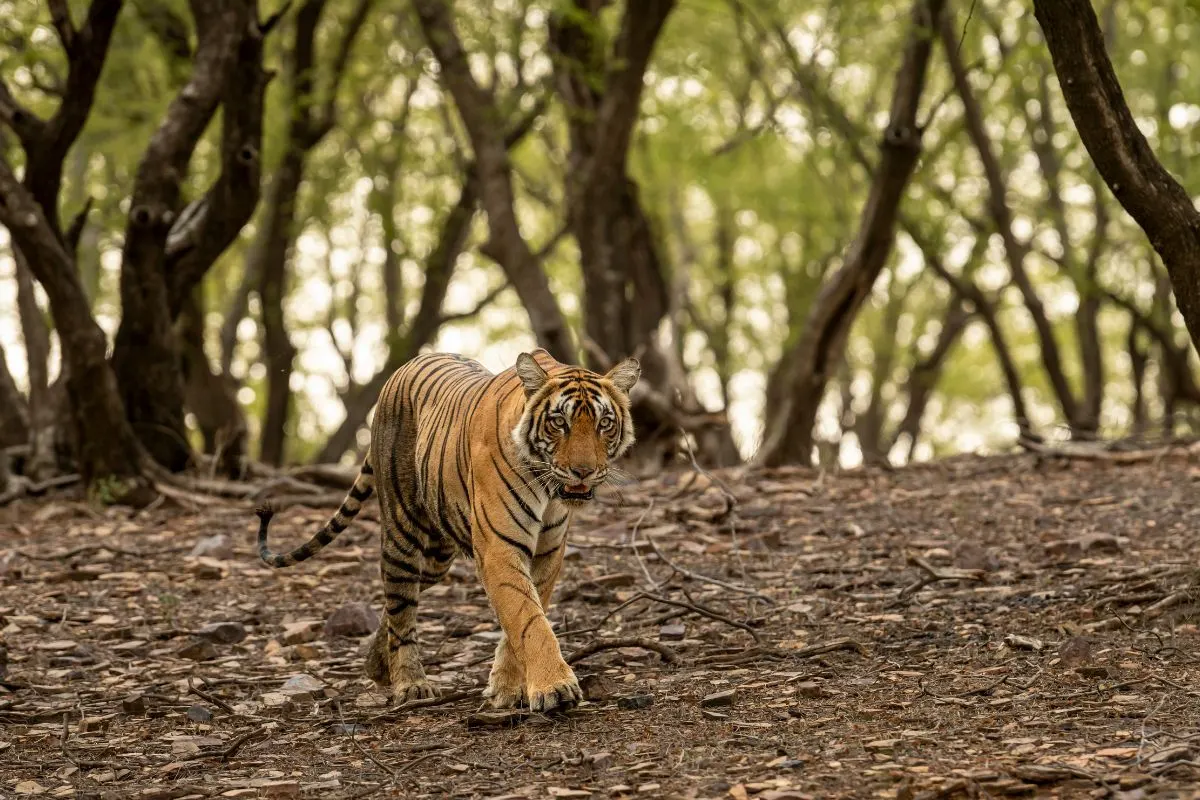
Indian travellers need no Inner Line Permit for the places on these trips; carry a photo ID, which hotels and checkposts ask for. Three things are booked ahead with each traveller's ID details. Rohtang Pass needs a vehicle permit issued online by the Himachal government in limited numbers each day; the road is usually shut on Tuesdays and through the winter, and the trip page or your quote says whether the permit is in the price. The Char Dham yatra needs the Uttarakhand government's compulsory registration, done online or at the counters in Haridwar and Rishikesh with an original photo ID. A Corbett jeep safari is booked in advance through the park's own booking system, and most of its zones close for the monsoon. Rules and dates change, so confirm before you book.