



The best time to visit Bhutan from India is March to May and late September to November. Spring brings rhododendrons and the Paro Tshechu; autumn brings the clearest Himalayan views from the Dochula pass, and October is the busiest and dearest month of the year. From late June to late September the monsoon hides the peaks and can slow the road up from Phuentsholing, while December to February is cold at night but mostly dry, clear and quiet. The temperatures below are Thimphu averages, and the festival dates come from the Department of Tourism's tentative list for 2026.
Bhutan's seasons at a glance
| Months | Thimphu, low to high | Verdict |
|---|---|---|
| March to May | About 4 to 25°C | Best, and peak season |
| June to August | About 15 to 27°C | Monsoon, low season |
| September to November | About 3 to 26°C | Best views from late September |
| December to February | About -2 to 17°C | Cold, clear and quiet |
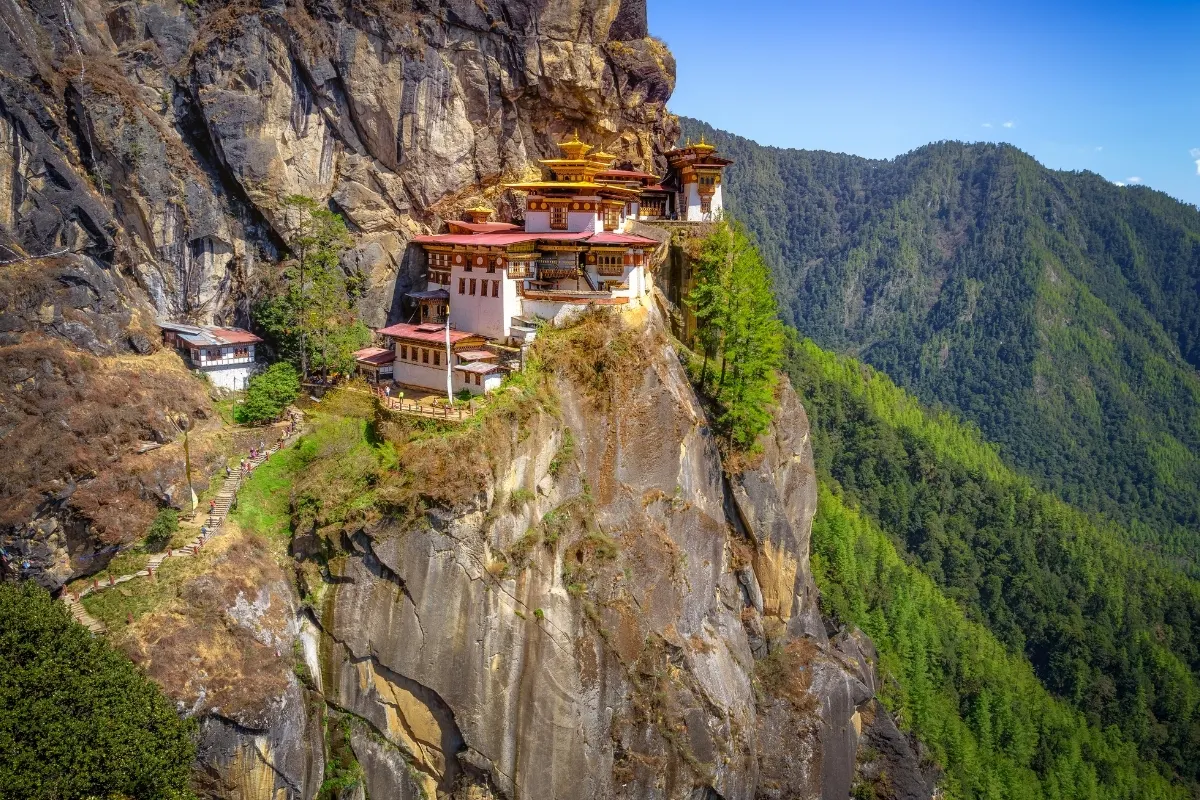
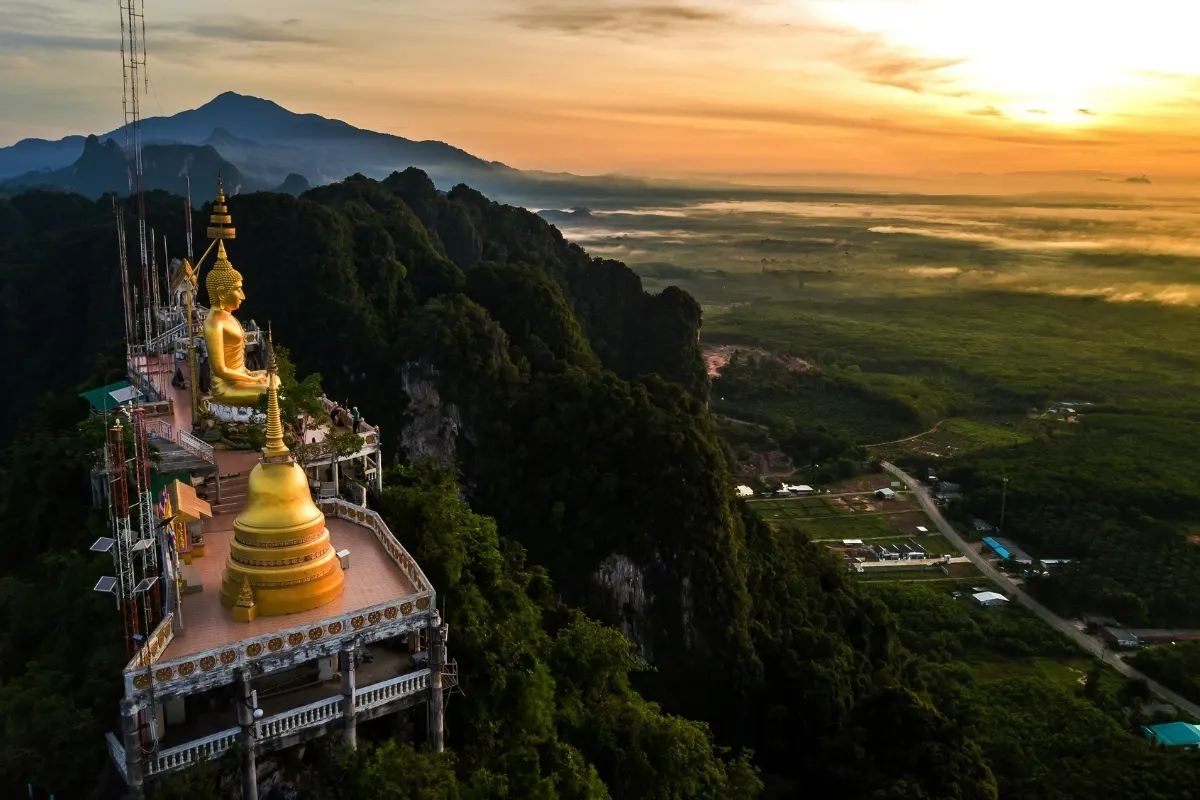
Thimphu sits at about 2,310 metres. Punakha, at about 1,200 metres, is warmer all year, while the Tiger's Nest at 3,120 metres and Chele La at about 3,988 metres are colder than both. The figures are long-term averages for Thimphu, not forecasts: each range runs from the average low of the coldest month in the band to the average high of the warmest.
March to May: rhododendrons and the Paro Tshechu
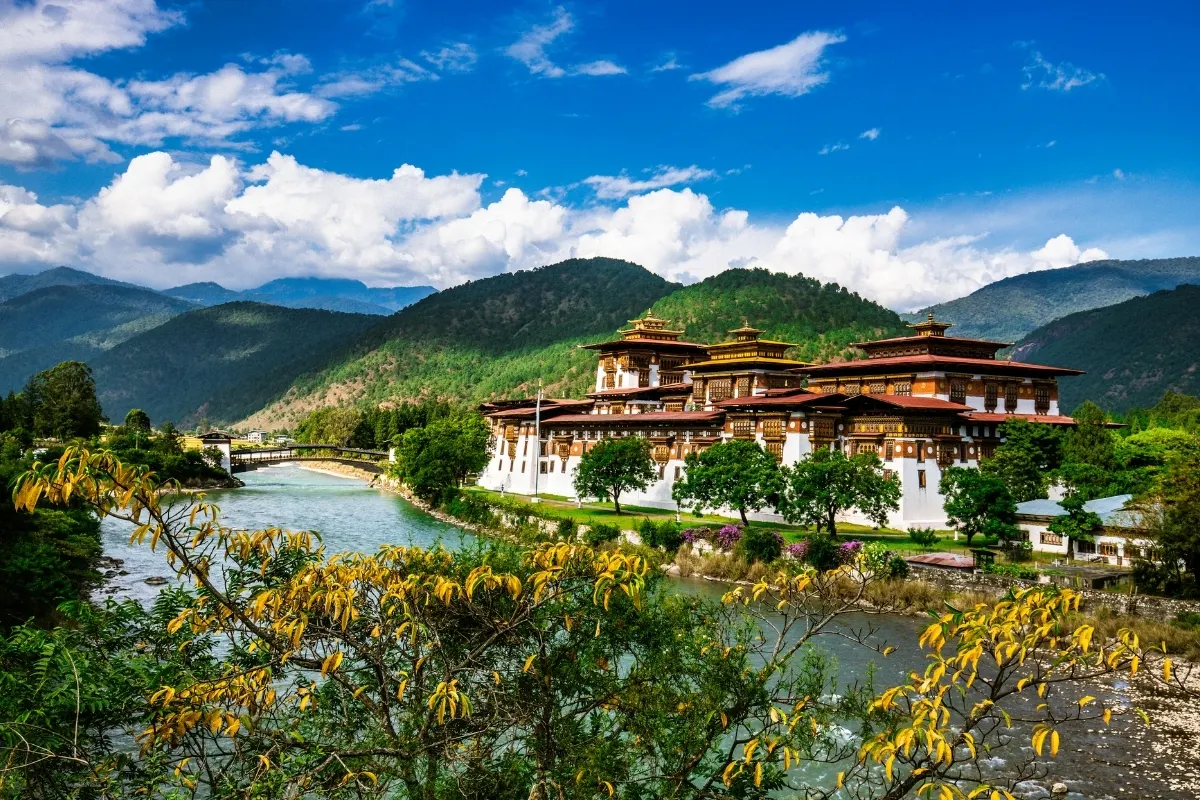
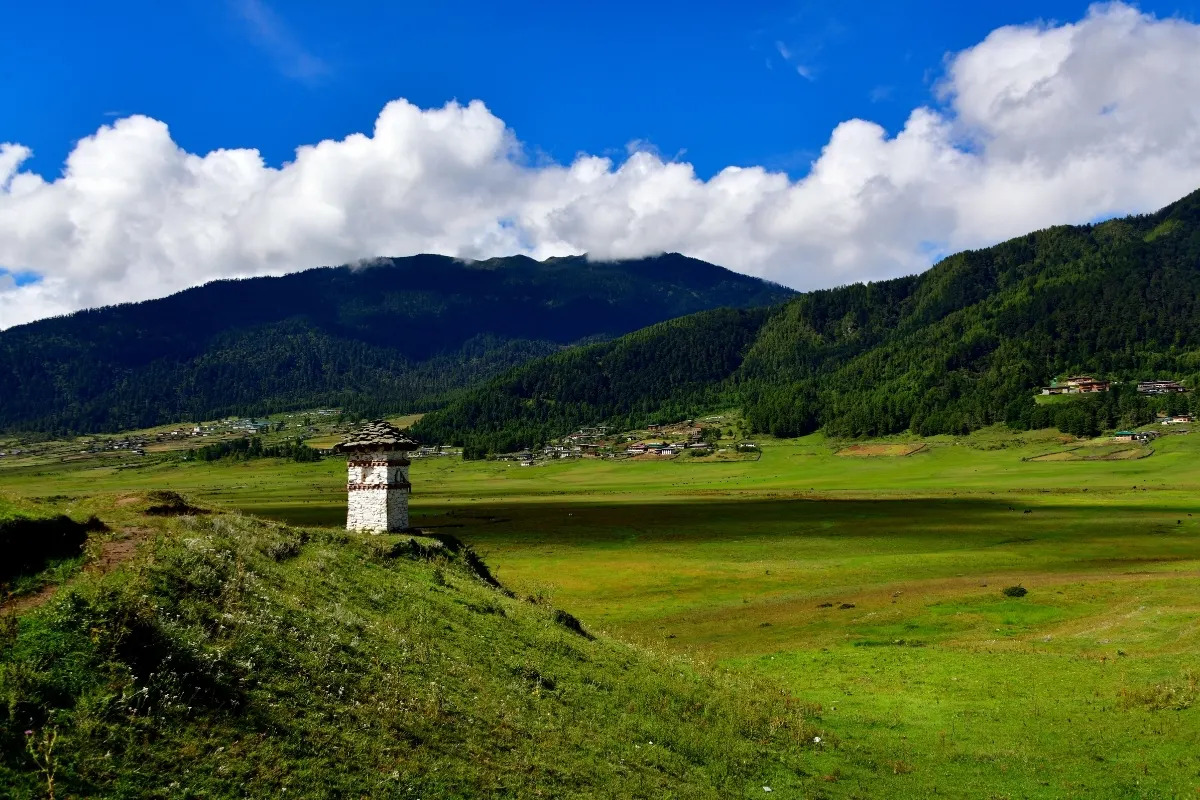
Spring is usually dry from early March to mid-April, after which occasional showers begin. Thimphu's average lows are near 4°C in March and its highs near 25°C in May. The hillsides flower with rhododendrons, and jacaranda blooms around Punakha Dzong. The Paro Tshechu ran from 29 March to 2 April in 2026; the dates move every year with the lunar calendar, so check the next one before you book.
This is peak season. Paro fares tend to be highest around the festival, and domestic fares from South India often climb in the April to June school holidays. Mountain views are hazier than in autumn, so come in spring for flowers and festivals rather than for the long Himalayan skyline.
June to August: monsoon, green and quiet
The rains run from late June or July to late September, and July is the wettest month in Thimphu, with around 150 mm. Temperatures run about 15 to 27°C, the valleys turn deep green and hotels are quieter. The catch is real: cloud hides the peaks, landslides can close or slow roads, especially the Phuentsholing to Thimphu highway, and low cloud can delay the daylight-only Paro flights.
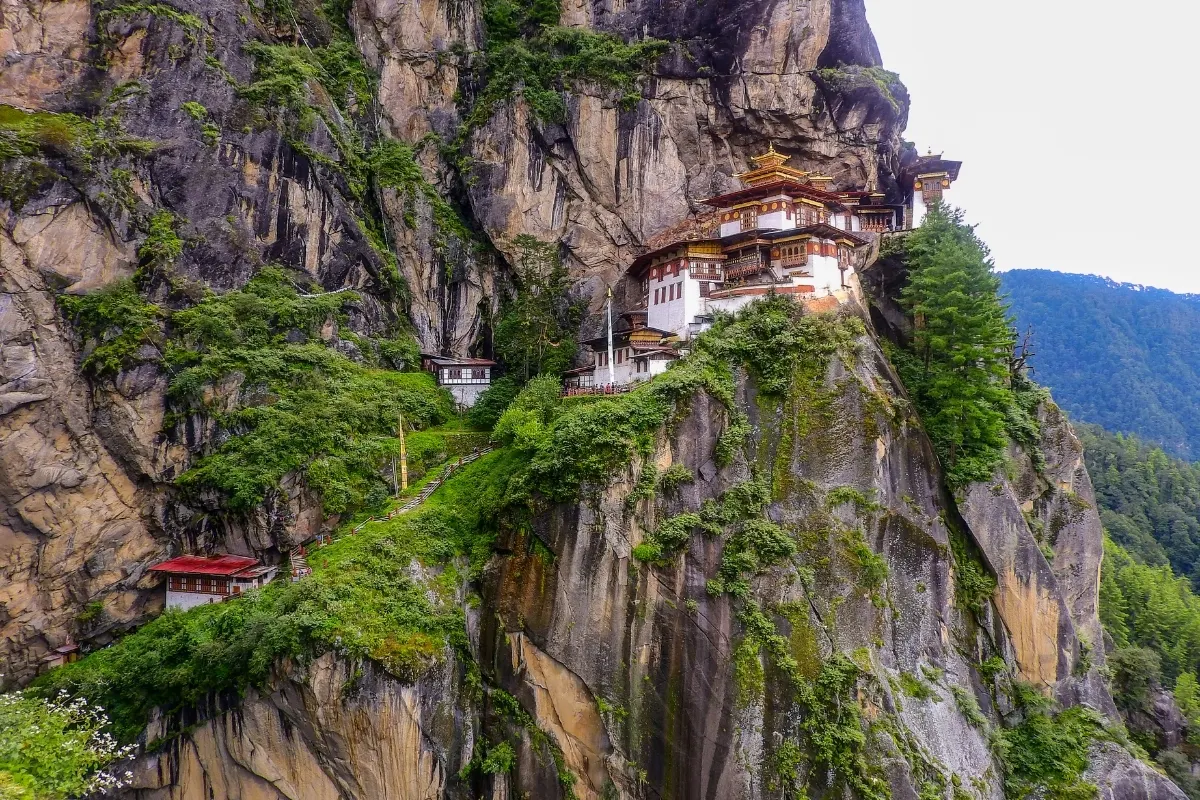
If your dates are fixed to the monsoon, keep a spare half day in the plan, carry rain gear for the Tiger's Nest trail, and do not count on the view from Dochula.
September to November: clear skies and festivals
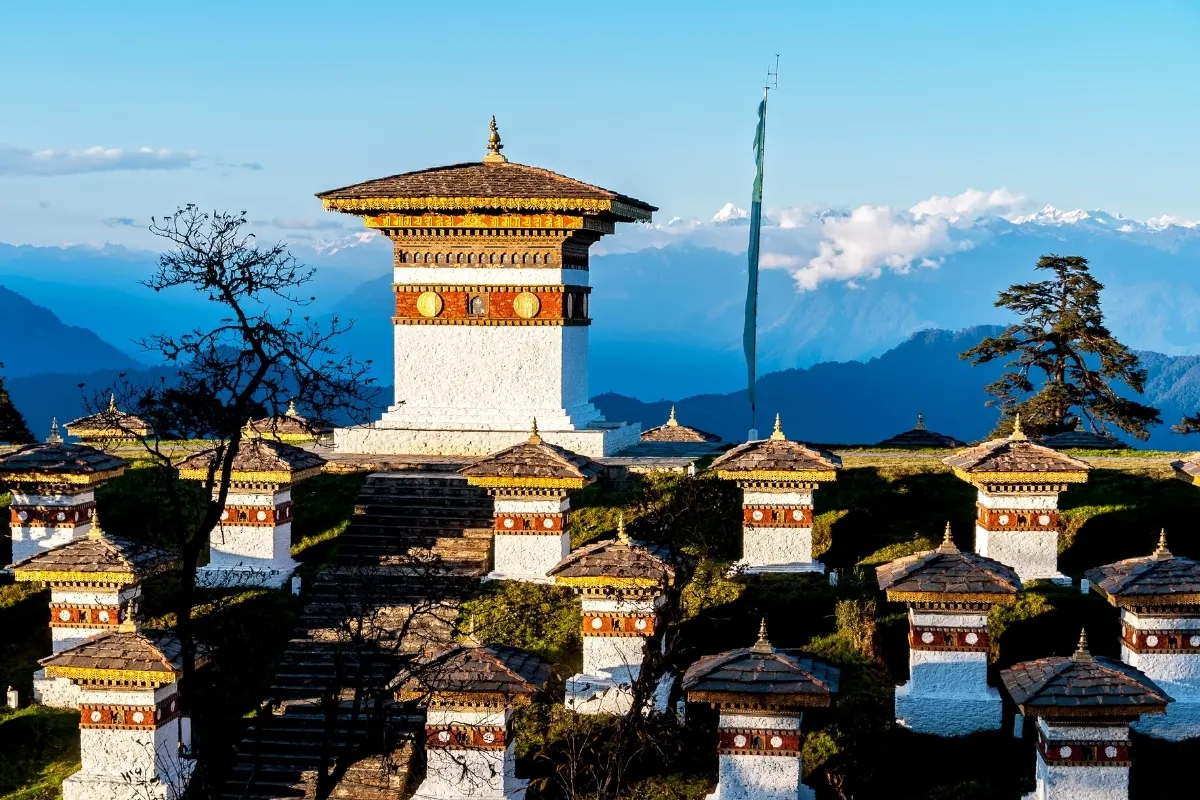
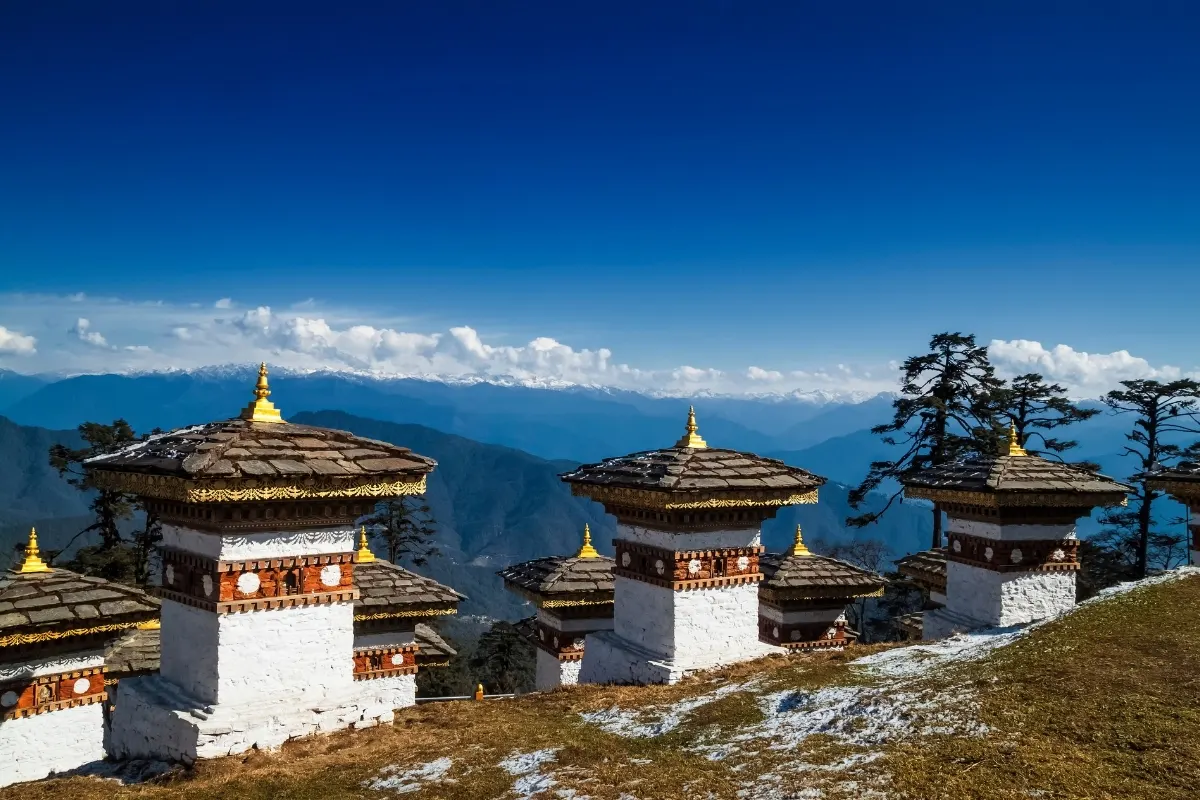
Once the rain clears in late September, autumn brings bright, sunny days, and it is the season of feasts and festivals. Thimphu runs from about 3 to 26°C across the season and cools fast through November, when average lows are around 3°C. On clear days between October and February, Dochula shows a line of snow peaks behind its 108 chortens.
October is the busiest month, so book Paro flights and hotels early; Durga Puja and Diwali can push up fares from India too. The black-necked cranes arrive in the Phobjikha (Gangtey) valley in the last week of October. November, after the October peak, is cooler and less busy.
December to February: cold, dry and uncrowded
Thimphu averages about -2 to 17°C, and nights in Thimphu and Paro are around or below freezing, with a January average low of about -2°C. The days are mostly dry and clear, with few crowds. Snow is common above 3,000 metres and can close high passes such as Chele La for a while, so treat that drive as a bonus in winter. Punakha stays mild, and the cranes stay in the Phobjikha valley until mid-February.
Pack proper warm layers for the mornings and evenings, when frost is common.
Festivals worth timing a trip around
- Paro Tshechu, Paro: 29 March to 2 April in 2026.
- Thimphu Drubchen: 17 September 2026.
- Thimphu Tshechu: 21 to 23 September 2026.
- Druk Wangyel Tshechu, Dochula: 13 December 2026.
The Department of Tourism labels these dates tentative, and they follow the Bhutanese lunar calendar, so they change every year. Paro fares tend to peak around the spring festival, so confirm the dates before you book flights. A certified guide is needed to enter dzongs, and at any temple or dzong you cover shoulders to knees.
Busiest, quietest and what to avoid
- Busiest and dearest: October, then the spring weeks around the Paro Tshechu, when Paro flights tend to cost the most.
- Quietest: the monsoon months, with quieter hotels, and December to February, with few crowds.
- Dearer fares: flights from South India often cost more in the Durga Puja and Diwali weeks and over the summer school holidays.
- Avoid: a road trip through Phuentsholing in the heaviest monsoon weeks with no spare time, and planning a trip around mountain views in July or August.
- Remember: the SDF is a flat ₹1,200 per adult per night as of September 2026, so a quiet month saves on flights and hotels, not on the fee.
Which of our trips suit which season
Spring and autumn suit every route. For the cranes between late October and mid-February, the 8 Days Bhutan Gangtey Valley Escape (from ₹48,299) spends a day in the Phobjikha valley. For the Dochula skyline from October to February, the 7 Days Bhutan Punakha Dochula Escape (from ₹45,499) crosses the pass. In the monsoon, the 5 Days Bhutan Paro Thimphu Getaway (from ₹28,500) flies into Paro and skips the long Phuentsholing highway, though low cloud can still delay the flight. For a festival week, the 6 Days Bhutan Sightseeing Getaway (from ₹39,290) covers Thimphu, Punakha and Paro. Prices are per person on twin sharing, without flights.
Questions we are asked most
Which is the best month to visit Bhutan?
For clear Himalayan views, October and November; October is also the busiest and dearest month. For rhododendrons and the Paro Tshechu, late March and April. July and August bring the monsoon, which hides the peaks.
Is Bhutan very cold in December?
At night, yes. Thimphu averages about -1 to 17°C in December, and nights in Thimphu and Paro are around or below freezing, but the days are mostly dry and clear. Snow is common above 3,000 metres and can close passes such as Chele La.
Can we visit Bhutan in the monsoon?
Yes, with a buffer. From late June to late September the valleys are green and hotels quieter, but cloud hides the peaks, landslides can slow the Phuentsholing road and low cloud can delay the daylight-only Paro flights.
What each season does to the budget is in the Bhutan trip cost from India guide, the paperwork in Bhutan permit and SDF for Indians, and a route for any month in the 6 day Bhutan itinerary. When your month is settled, open the Bhutan tour packages and tell the planner your dates, your city and who is travelling; the plan is fitted to the season, with festival days and pass closures taken into account.