



Indian passport holders need an e-visa to visit Vietnam as of September 2026. You apply online at evisa.gov.vn, the official portal of the Immigration Department under Vietnam's Ministry of Public Security, pay US$25 for a single entry (about ₹2,400), and receive a visa valid for up to 90 days. The law allows three working days to process it, but the Vietnam Embassy in New Delhi tells applicants to allow longer. This guide covers the documents, the photo rules, the steps, the airports you can use and the mistakes that cost Indian travellers time or money.
Who needs it, and the Phu Quoc exception
India is not on Vietnam's visa-exemption list, so an Indian passport holder needs a visa before flying to mainland Vietnam. For a holiday that means the e-visa, applied for online from outside Vietnam; if you book with us, we apply for your Vietnam e-visa for you.
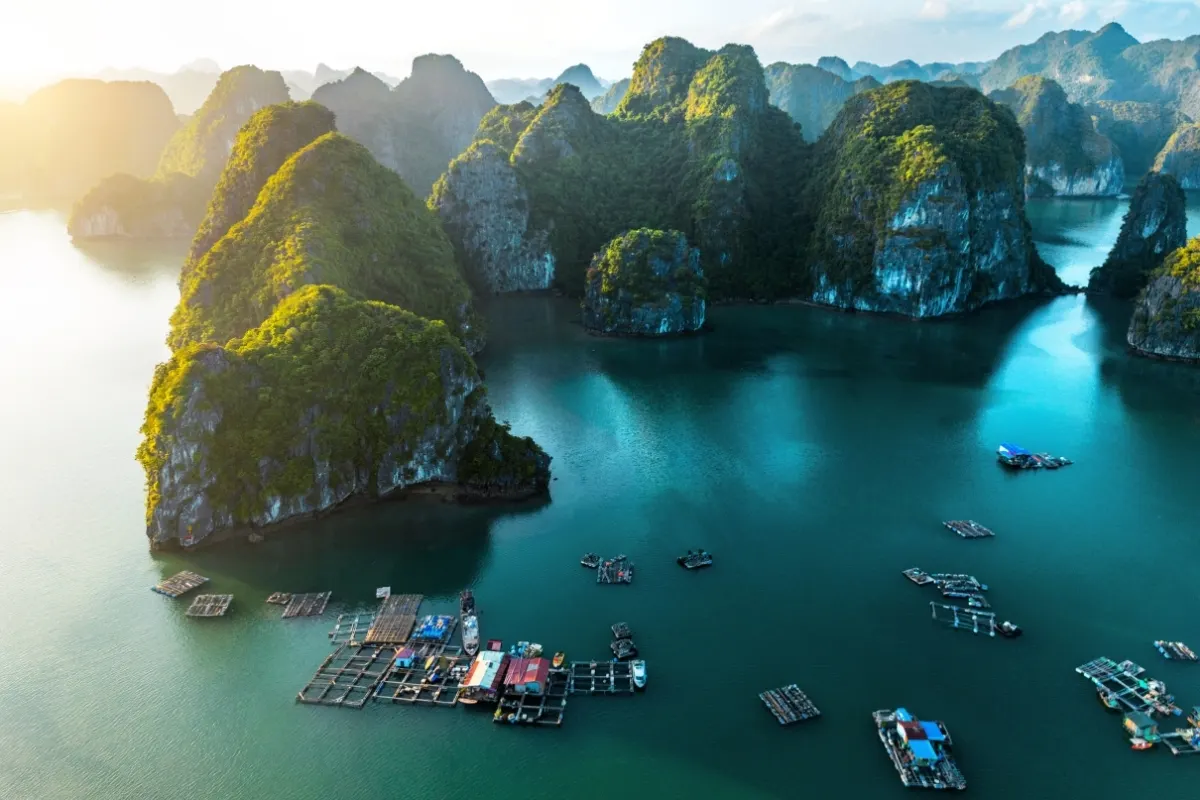
The exception you will read about is Phu Quoc island. Visa-agency sites report that travellers who fly into Phu Quoc directly from abroad and stay on the island can visit without a visa for up to 30 days. We could not confirm that rule on the official portal, and it stops applying as soon as the trip includes the mainland. Our 10 Days Vietnam Halong Phu Quoc Grand Escape reaches the island from Da Nang, so it needs the e-visa like every other trip.
Fee, validity and processing time, September 2026
| Type | Official fee | Choose it for |
|---|---|---|
| Single entry | US$25, about ₹2,400 | One trip in and out |
| Multiple entry | US$50, about ₹4,800 | Leaving Vietnam and coming back |
- Payment: online, by international debit or credit card. The fee is not refunded if the visa is refused, and agency websites charge more for the same visa.
- Validity: up to 90 days, single or multiple entry, for the dates shown on the visa.
- Processing: three working days by law from a complete application. The Vietnam Embassy in New Delhi's e-visa page quotes 5 to 30 working days, and approvals slow down around Vietnamese public holidays such as Tet.
- When to apply: at least three weeks before your flight, and earlier around Tet. The embassy's own advice is to apply 7 to 40 working days before departure.
Rupee figures use about ₹95 to the US dollar, the mid-September 2026 rate.
Documents you need
- A passport valid for at least six months after your arrival date.
- A photo or scan of the passport's bio-data page.
- A recent 4x6 cm portrait photo: a JPG or JPEG under 2 MB, facing the camera, on a white background, with no hat and no glasses.
- Your planned entry and exit dates, and the airports you will use.
- The address of your first hotel in Vietnam.
- An international debit or credit card for the fee.
- An email address to receive the application code.
The six-month passport rule is confirmed by the Vietnam Embassy in New Delhi. Some unofficial travel sites say checks became stricter from March 2026 and that two blank pages are needed; we could not confirm that on an official page, so the safe course is a passport with blank pages and well over six months left.
How to apply on evisa.gov.vn, step by step
- Open evisa.gov.vn. The Vietnam Embassy in New Delhi also lists thithucdientu.gov.vn and says every other site is unofficial.
- Upload the portrait photo and the passport bio page. The portal can read the passport page to fill in some fields, so check every pre-filled field against the passport itself.
- Complete the form in English: entry and exit dates, the airports you will arrive at and leave from, your first hotel's address, and single or multiple entry.
- Pay the fee by international card and keep the application code that comes by email.
- Look up the result with the application code, your email and your date of birth, and save the e-visa as a file.
- Print it or keep it on your phone, and check that the name, passport number, dates and entry type are right before you fly.
Landing in Vietnam: entry airports and the pre-arrival declaration
The e-visa is valid only for entry and exit through the international border gates on the government's list. The airports on it include Noi Bai in Hanoi, Tan Son Nhat in Ho Chi Minh City, Da Nang, Cam Ranh, Phu Quoc and Phu Bai in Hue, which covers every airport our Vietnam trips use.
The pre-arrival declaration is now compulsory. As of September 2026, every international passenger without a Vietnamese passport fills it in at prearrival.immigration.gov.vn, the Immigration Department's site, within the three days before landing, and shows the QR code it generates at immigration. The US Embassy in Vietnam reported in June 2026 that the rule was being extended to all of Vietnam's airports, with a QR code and paper forms also available on arrival. Doing it at home is quicker; keep the e-visa on your phone or printed, with your first hotel's address to hand. After immigration, the Viettel, Vinaphone and Mobifone kiosks in the arrival halls at Hanoi, Ho Chi Minh City and Da Nang sell tourist SIM cards; every SIM and eSIM in Vietnam must be registered to a passport.
Mistakes that cost Indian travellers time or money
- Paying a look-alike website. Agency sites charge more for the same e-visa. Only evisa.gov.vn and thithucdientu.gov.vn are official.
- A photo that breaks the rules. Glasses, a hat, a coloured background or a file over 2 MB can hold an application up.
- Applying too late. Three working days is the legal time, not a promise, and approvals slow around Tet, which falls around 6 February in 2027.
- Dates that do not cover the trip. The visa is valid for the dates on it, so enter dates that cover your whole stay.
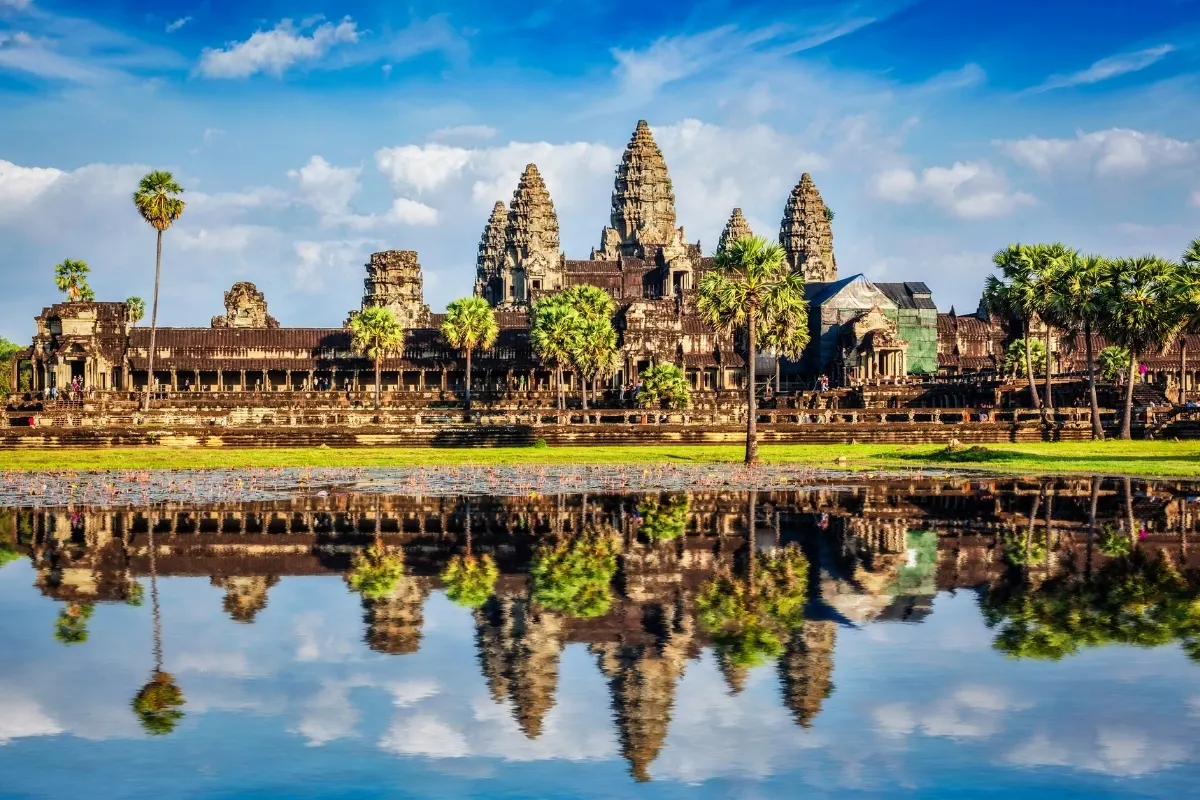
- Single entry for a trip that leaves and comes back. If you cross into Cambodia and return to Vietnam, you need multiple entry. Our 8 Days Vietnam Cambodia Angkor Escape ends in Siem Reap, so a single-entry Vietnam e-visa covers it; Cambodia needs its own visa.
- Leaving the pre-arrival declaration until you land. It can be done at the airport, but filing it online in the three days before arrival means the QR code is ready at immigration.
- Counting on the Phu Quoc exemption for a trip that includes the mainland.
- A passport with less than six months left after your arrival date.
The visa and our packages
The e-visa fee is not part of any Travloger package: you pay it separately, and we apply for your Vietnam e-visa for you, at least three weeks before you fly. The details the form asks for, your entry and exit dates, airports and first hotel, come from the trip plan, so we apply once the plan and the flights are fixed. International flights are not included in our packages either; we quote them separately on request.
Questions we are asked most
Do Indians need a visa for Vietnam?
Yes. As of September 2026 India is not on Vietnam's visa-exemption list, so Indian passport holders apply for an e-visa online at evisa.gov.vn before flying. It is valid for up to 90 days, single or multiple entry. If you book with us, we apply for it for you.
How much is the Vietnam e-visa fee for Indians?
The official fee is US$25 for a single entry and US$50 for multiple entry, about ₹2,400 and ₹4,800 at September 2026 rates. It is paid online by card and is not refunded if the visa is refused.
How long does the Vietnam e-visa take for Indians?
The law allows three working days from a complete application, but the Vietnam Embassy in New Delhi quotes 5 to 30 working days. Apply at least three weeks before your flight, and earlier around Tet. If you book with us, we apply for it for you on that timeline.
With the visa sorted, the full trip cost, the best months and the 7-day itinerary cover the rest of the planning. The trips themselves are on the Vietnam tour packages page, with flight details for Hyderabad, Bengaluru and Chennai.